In a groundbreaking development for neurotechnology, researchers have successfully restored both movement and the sense of touch to a man who had been paralysed from the chest down. The achievement, detailed in a study published in Nature Medicine, marks a significant leap forward in the field of brain-computer interfaces (BCIs) and offers new hope for individuals with severe paralysis.
Reviving Movement and Sensation
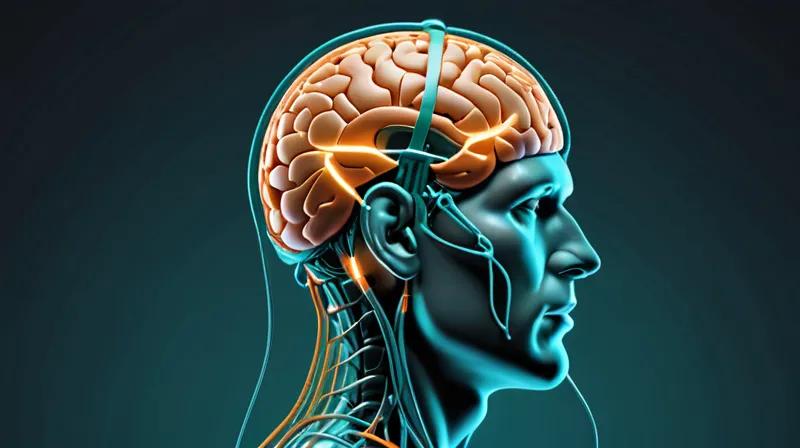
The innovative system, dubbed the 'double neural bypass,' was developed by the Feinstein Institutes for Medical Research, which is the research arm of Northwell Health. The technology works by implanting electrodes directly into the brain that detect neural signals. These signals are then processed and transmitted to a computer, which translates them into commands to control a robotic arm or other assistive devices. Crucially, the system also sends sensory feedback back to the brain, restoring the sense of touch.
How It Works
The patient, who had been paralysed for several years, was able to perform tasks such as grasping objects and feeling textures through the neural bypass. This dual functionality — enabling both movement and sensation — sets the technology apart from previous BCIs, which typically focused only on restoring motor function. The researchers believe that this breakthrough could eventually help people with spinal cord injuries, stroke, or other neurological conditions regain a greater degree of independence and quality of life.
Implications for the Future
The success of this approach highlights the potential of neural implants to not only restore lost functions but also to partially rewiring the nervous system. While the technology is still in its early stages, it opens the door to more advanced and intuitive BCIs that could one day allow users to control prosthetics with natural precision and even feel the world through their devices. As research continues, the team plans to refine the system and explore its broader applications in treating paralysis and other neurological disorders.
This achievement represents a pivotal moment in the convergence of neuroscience and artificial intelligence, offering a glimpse into a future where brain implants may become a standard treatment for paralysis.