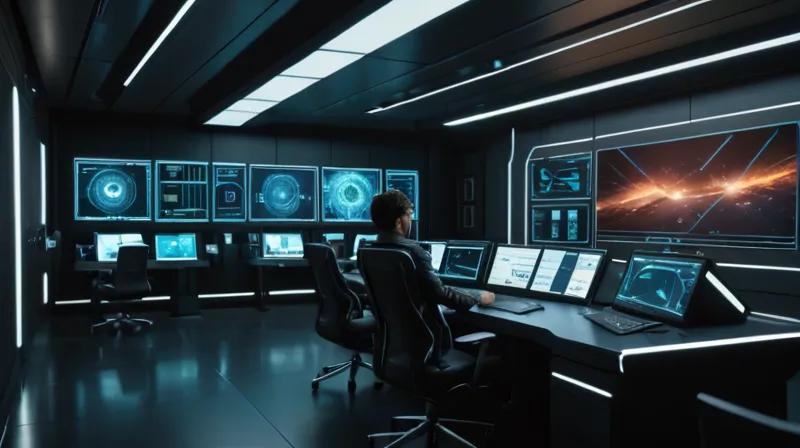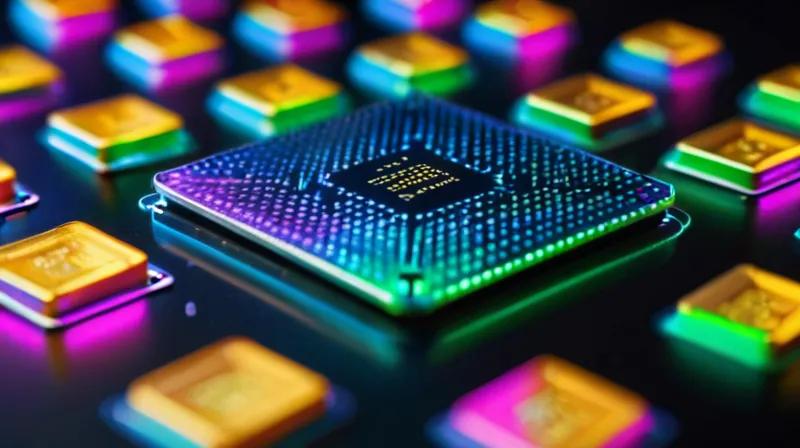
In a fascinating intersection of astronomy and artificial intelligence, researchers are increasingly relying on graphics processing units (GPUs) to sift through vast cosmic datasets in search of rare celestial phenomena. This surge in GPU usage is creating unprecedented demand across the tech industry, contributing to the ongoing global GPU shortage that has been affecting everything from cryptocurrency mining to AI development.
From Stars to Silicon
The traditional approach to astronomical research involved painstaking manual analysis of telescope data. However, the exponential growth in astronomical data—driven by advanced telescopes and space missions—has necessitated automation. AI-powered algorithms running on GPUs can now process millions of images per hour, identifying patterns that would take human astronomers decades to analyze manually.
Researchers are particularly focused on detecting rare events like transient phenomena, including supernovas, gravitational wave events, and potentially habitable exoplanets. These discoveries require analyzing massive datasets from multiple telescopes simultaneously, making GPU acceleration essential for modern astronomy.
Global Supply Chain Strain
This astronomical demand for GPUs is exacerbating the existing global semiconductor shortage. Major tech companies are struggling to meet the increased demand for these specialized chips, which are crucial not only for astronomy but also for AI training, cryptocurrency mining, and gaming. The situation has prompted some astronomers to explore alternative computing solutions, including cloud-based GPU services and specialized hardware designed specifically for scientific computing.
Industry experts suggest that this trend will likely continue as space exploration becomes more data-intensive, potentially reshaping how scientific research is conducted and funded in the coming years.
Conclusion
The marriage of astronomy and AI through GPU technology represents a significant shift in scientific methodology. While this development accelerates discovery rates, it also highlights the growing interdependence of various tech sectors, where advances in one field directly impact others.