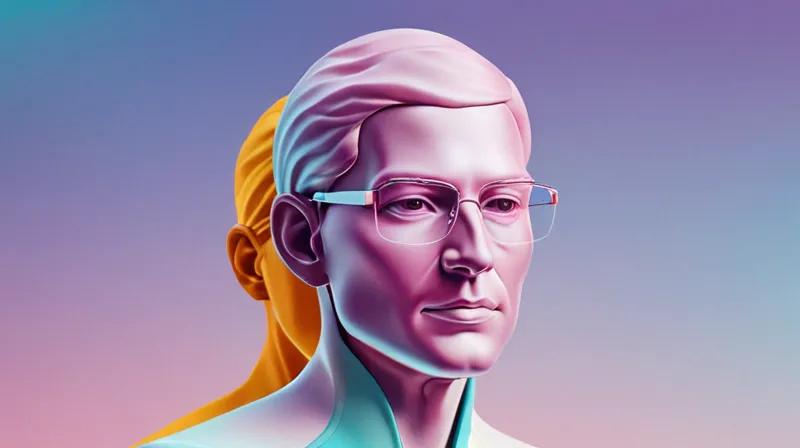
Apple's former FaceID inventor, Gidi Littwin, is now turning his attention to the human brain, launching a startup that aims to revolutionize neurological diagnostics through artificial intelligence. Hemispheric, the company Littwin founded, is developing AI-powered brain scanning technology designed to detect conditions such as depression, PTSD, and Parkinson's disease.
From Facial Recognition to Brain Health
Littwin's journey from creating the facial recognition technology that powers Apple's FaceID to diagnosing neurological disorders represents a significant shift in his career. His expertise in machine learning and computer vision, honed through years of work at Apple, is now being applied to the complex field of neurology. The technology promises to make brain diagnostics more accessible and affordable than current methods.
AI-Powered Diagnostics
The startup's approach involves using AI algorithms to analyze brain scans, identifying patterns associated with various mental health and neurological conditions. Littwin envisions this technology becoming as routine and accessible as a standard blood test, potentially transforming how doctors diagnose and treat brain-related disorders.
- Current brain imaging techniques are expensive and time-consuming
- AI analysis could significantly reduce costs and turnaround times
- Early detection of neurological conditions could improve patient outcomes
The company's goal is to democratize access to brain diagnostics, making advanced neurological testing available to a broader population. This approach could be particularly valuable in underserved areas where access to specialized neurology care is limited.
Future Implications
If successful, Hemispheric's technology could represent a major breakthrough in preventive medicine and mental health care. The ability to quickly and affordably diagnose brain conditions could lead to earlier interventions and better treatment outcomes. Littwin's vision is not just about technology, but about making healthcare more accessible and efficient for everyone.
The startup's work aligns with broader trends in AI-driven healthcare, where machine learning is increasingly being used to analyze medical data and improve diagnostic accuracy.