Introduction
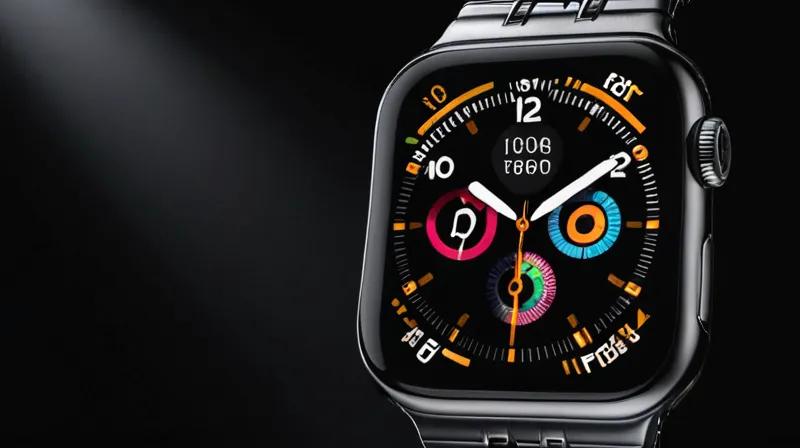
Apple's strategic dominance in consumer electronics has historically followed a predictable pattern: entering a market with a superior product, disrupting the status quo, and ultimately reshaping industry dynamics. The Apple Watch's launch in 2015 exemplified this playbook, but now the tech giant is reportedly targeting an even larger and more lucrative market: smart eyewear. This move represents a significant evolution in wearable technology and AI integration, with implications for both consumer behavior and industry structure. The disruption of the mid-tier watch market provides a compelling case study for understanding how AI-enhanced wearables could transform the eyewear industry.
What is Smart Eyewear?
Smart eyewear refers to optical devices that integrate advanced computing capabilities, sensors, and AI algorithms into traditional eyewear form factors. Unlike conventional glasses, smart eyewear incorporates features such as augmented reality (AR) displays, voice recognition, biometric sensors, and wireless connectivity. These devices represent a convergence of several technologies: computer vision, natural language processing, edge computing, and sensor fusion. The core innovation lies in the seamless integration of artificial intelligence into everyday objects, enabling contextual awareness and intelligent assistance.
From a technical perspective, smart eyewear systems typically include:
- Miniaturized processors and AI chips capable of running complex neural networks
- Multiple sensors (accelerometers, gyroscopes, cameras, microphones)
- AR displays that overlay digital information onto the physical world
- Wireless communication modules (Bluetooth, Wi-Fi, 5G)
- Cloud and edge computing integration for enhanced processing power
How Does AI Integration Work in Smart Eyewear?
The AI architecture within smart eyewear operates through several interconnected components. At the core lies edge AI, which processes data locally on the device rather than relying entirely on cloud computing. This approach addresses latency concerns and privacy requirements, particularly crucial for real-time applications like navigation or object recognition.
Key AI functionalities include:
- Computer Vision: Using convolutional neural networks (CNNs) to identify objects, faces, and environments
- Natural Language Processing: Implementing transformer-based models for voice command interpretation and contextual dialogue
- Sensor Fusion: Combining data from multiple sensors using Kalman filters or Bayesian inference to create a coherent understanding of the user's environment
- Contextual Awareness: Employing reinforcement learning algorithms to adapt to user behavior and preferences over time
The technical challenge lies in balancing computational complexity with power efficiency. Smart eyewear must operate within strict power budgets (often less than 10W) while delivering real-time performance. This requires specialized AI chip architectures, such as those based on neural architecture search (NAS) or quantized neural networks, which compress models to run efficiently on edge devices.
Why Does This Disruption Matter?
The potential disruption of the $200 billion eyewear market represents a paradigm shift in how consumers interact with digital information. Unlike smartphones or smartwatches, eyewear offers a hands-free, immersive interface that could fundamentally alter user experience design. The AI capabilities embedded in smart eyewear create a digital twin of the user's environment, enabling applications in navigation, education, healthcare, and professional productivity.
From a competitive standpoint, Apple's approach follows the same strategic framework that eliminated mid-tier watch manufacturers:
- Superior integration of hardware and software
- Seamless ecosystem integration
- Consumer preference for convenience over customization
- Network effects that compound over time
The eyewear market's fragmentation—spanning luxury brands, optical retailers, and prescription eyewear providers—creates an opportunity for a single platform to standardize the experience. AI-driven personalization and contextual awareness could render traditional product differentiation obsolete, similar to how Apple's ecosystem rendered many mid-tier watch features irrelevant.
Key Takeaways
Smart eyewear represents a convergence of several advanced technologies, including edge AI, sensor fusion, and computer vision. The disruption potential stems from AI's ability to create immersive, contextual interfaces that could transform user interaction with digital information. Apple's strategy mirrors its approach with the watch, suggesting a systematic assault on fragmented markets with high consumer value. The technical challenges include power efficiency, computational complexity, and privacy considerations. Success in this space will likely depend on the seamless integration of AI capabilities with user-centric design, much like how Apple's success in wearables was built on superior user experience rather than raw technical specifications.