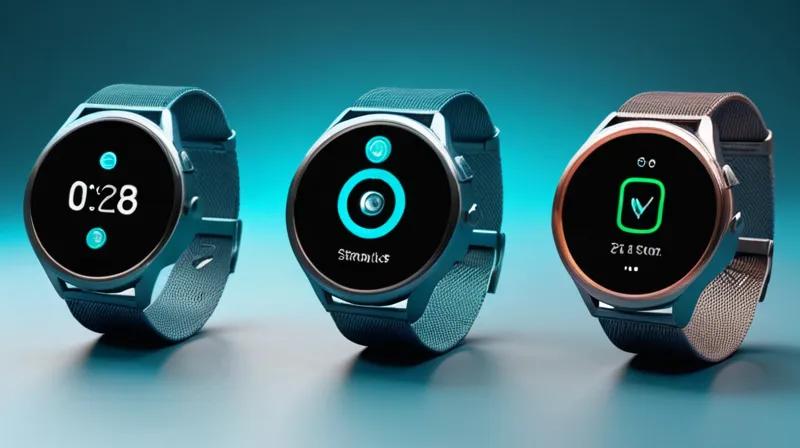
Understanding Your Data in the Age of Smart Wearables
Imagine you're wearing a tiny computer on your wrist that never stops watching you. This isn't science fiction – it's the reality of smartwatches and fitness trackers that are becoming increasingly popular. But as these devices become more sophisticated, a big question emerges: Who really owns your personal health data?
What is Personal Health Data?
Personal health data refers to all the information about your body and health that devices like smartwatches can collect. This includes your heart rate, sleep patterns, steps taken, calories burned, and even your stress levels. Think of it like having a personal health diary that's always writing, but instead of you writing it, a machine is doing the writing.
These devices use sensors – the tiny electronic eyes and ears of your smartwatch – to collect this information. For example, a heart rate sensor uses light to measure how fast your heart beats, while an accelerometer tracks your movement to count steps.
How Does This Data Collection Work?
Smartwatches and fitness trackers work like having a personal health assistant that's always on. When you wear one, it's constantly collecting data about your body. This data flows through several steps:
- Collection: Sensors gather information about your body
- Processing: The device's tiny computer analyzes the raw data
- Storage: Your health information is saved on the device or in the cloud
- Sharing: This data can be sent to apps, doctors, or companies
Think of it like a chef who's always tasting your food. The chef (the smartwatch) is constantly sampling your health, then sharing the results with others (your doctor, the app company, or even advertisers).
Why Does This Matter for Privacy?
The big concern isn't just about your step count – it's about what happens to your personal information when it's collected. When a smartwatch collects your health data, it's not just collecting numbers; it's collecting information that reveals your lifestyle, habits, and even your health conditions.
Here's the tricky part: Who owns this information? You might think you do, but often companies that make these devices have terms that say they own the data. This means they can use it for purposes you might not expect – like selling it to insurance companies or using it to improve their products.
Imagine if someone took notes on everything you did, and then sold those notes to a company. That's essentially what happens with your health data. Companies can use this information to make decisions about your insurance, job opportunities, or even what ads you see.
Key Takeaways
When you wear a smartwatch or fitness tracker, you're not just tracking your health – you're also sharing your personal information. Here's what you should know:
- Smartwatches collect personal data about your health and habits
- Data ownership is unclear – you might not own what's collected
- Companies can use your data for purposes you might not expect
- Privacy matters – your health information is sensitive and personal
- Read terms carefully before using any device
Before buying a smartwatch or fitness tracker, it's important to understand that you're not just buying a gadget – you're also signing up to share your personal health information with others. The next time you see a smartwatch ad, remember that it's not just about counting steps; it's about what happens to your personal health data after the steps are counted.