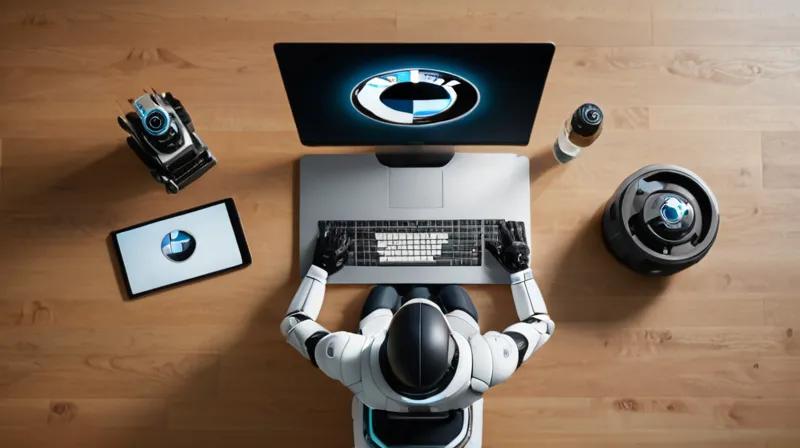
BMW Group has taken a significant step into the future of manufacturing by introducing humanoid robots to its Leipzig plant in Germany. The automaker is piloting the deployment of Hexagon Robotics’ AEON humanoid robots, marking a key expansion of its automation strategy. This move follows a successful 11-month trial in the United States, where BMW tested similar robots from Figure AI, demonstrating the potential of humanoid automation in industrial settings.
Expanding Automation Across Global Operations
The Leipzig plant, which has long been a hub for BMW’s production activities, is now serving as a testing ground for next-generation robotics. The AEON humanoid robots are designed to perform tasks typically done by human workers, such as assembly and quality control, with precision and adaptability. According to reports, the robots are equipped with advanced AI and sensors, allowing them to navigate complex manufacturing environments and collaborate alongside human employees.
This initiative aligns with BMW’s broader strategy to integrate artificial intelligence and robotics into its production processes, enhancing efficiency and flexibility. The company's production chief, who has been a strong advocate for the project, is set to assume a top executive role, further signaling the importance of automation in BMW’s future.
Implications for the Future of Manufacturing
The introduction of humanoid robots at BMW’s Leipzig facility is not just a technological showcase but a strategic move toward a more adaptive and intelligent manufacturing model. As the automotive industry faces increasing demands for customization and rapid production cycles, humanoid robots offer a promising solution. They can be reprogrammed and retrained quickly, adapting to new tasks without the need for extensive retooling.
Industry analysts suggest that BMW’s early adoption of such advanced robotics could set a precedent for other manufacturers. The success of these pilot programs may drive further investment in humanoid AI systems, potentially reshaping the landscape of industrial automation.
Conclusion
With this latest development, BMW is not only reinforcing its position as a leader in automotive innovation but also pushing the boundaries of what is possible in modern manufacturing. As the company continues to explore the integration of humanoid robots, the Leipzig plant may soon become a model for how human and artificial intelligence can work hand-in-hand in the factory of tomorrow.