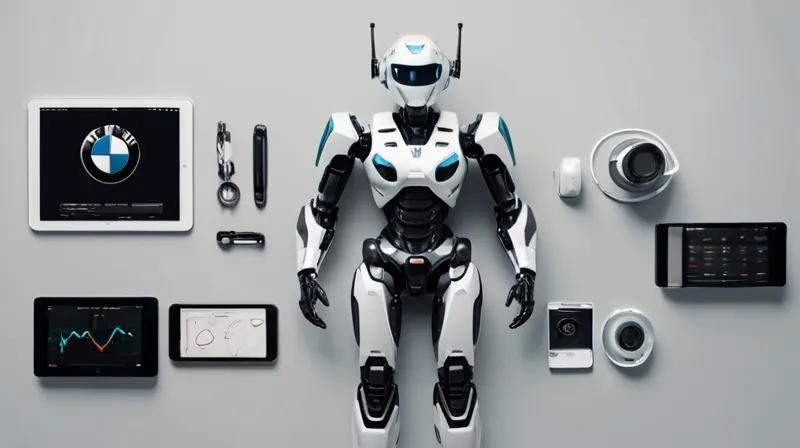
Europe’s manufacturing landscape is entering a new era with the integration of humanoid robots into factory operations. BMW Group has taken a pioneering step by deploying humanoid robots at its Leipzig plant in Germany, marking the first automotive use of such technology in the region. The initiative involves AEON, a wheeled humanoid robot developed by Hexagon Robotics, and represents a significant milestone in the adoption of advanced robotics in industrial settings.
First-Ever Automotive Deployment of Humanoid Robots
The deployment of AEON at BMW’s Leipzig facility is not just a technological showcase but a strategic move toward more flexible and adaptive manufacturing processes. Unlike traditional industrial robots, AEON is designed to navigate dynamic environments and perform tasks that require dexterity and human-like interaction. This pilot project is being closely monitored by other European manufacturers, who are eager to see how this new technology can be integrated into their own production lines.
Implications for the Future of Manufacturing
The introduction of humanoid robots in automotive manufacturing signals a shift toward more intelligent automation. While traditional robots are typically confined to fixed paths and repetitive tasks, humanoid robots like AEON offer the potential for greater versatility. They can adapt to changing work environments and collaborate more effectively with human workers, opening up possibilities for enhanced productivity and safety.
Industry experts believe that this development could accelerate the adoption of humanoid robots across Europe, especially as companies seek to modernize their operations and remain competitive in a rapidly evolving global market. As BMW continues to test and refine its use of AEON, the results of this pilot project may set a precedent for widespread deployment in the automotive and beyond.


