Introduction
Imagine if you could build a digital model of a living cell — one that shows how proteins talk to each other, how nutrients get processed, and how signals travel through the cell. Scientists are now using a powerful new approach called Multi-Agent AI to create these detailed models. This technology helps researchers understand how life works at the smallest levels, which can lead to better medicines and treatments for diseases.
What is Multi-Agent AI?
Multi-Agent AI is a way of using artificial intelligence where many small, independent AI systems — called agents — work together to solve a big problem. Think of it like a team of superheroes, each with their own special powers, working together to save the day.
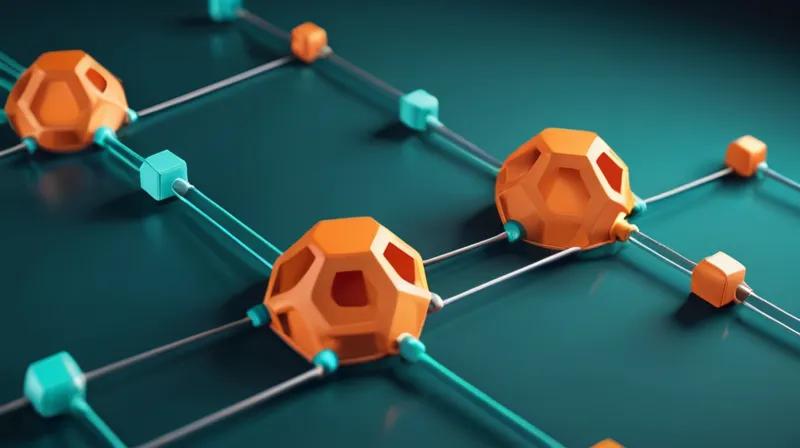
In the world of biology, each agent might represent a different part of a cell, like a protein, a gene, or even a whole pathway. These agents can communicate with each other, learn from their environment, and make decisions based on what they observe. When they work together, they can simulate how complex biological systems behave — like how a cell responds to a disease or how a drug might affect it.
How Does It Work?
Let’s break it down with a simple example. Imagine you’re trying to understand how a cell works:
- Agent 1 might represent a protein that helps in cell signaling (like a messenger).
- Agent 2 might be a gene that controls how much of that protein is made.
- Agent 3 might represent a metabolic process (like how sugar is broken down for energy).
Each of these agents has its own rules and behaviors. When they interact with each other, they can simulate what happens inside a cell. For example, if a drug is introduced, the agents can show how it affects the signaling pathway or how the metabolism changes.
These agents can also learn and adapt — just like how real cells change their behavior based on what’s happening around them. The more data they get, the better they become at predicting outcomes.
Why Does It Matter?
This kind of AI is important because it helps scientists understand complex biological systems that are hard to study directly. For example:
- Doctors can use these models to predict how a patient’s body might react to a new medicine.
- Researchers can test ideas about how diseases start and progress without needing to use animals or human subjects.
- Scientists can explore what happens when parts of a cell don’t work correctly — like in cancer or diabetes.
By building these digital models, we can speed up discoveries and find new treatments faster than ever before.
Key Takeaways
- Multi-Agent AI uses many small AI systems (called agents) working together to solve complex problems.
- Each agent can represent a part of a living cell, like a protein or a gene.
- These agents can simulate how biological systems behave, helping scientists understand disease and drug effects.
- This technology is helping researchers build better medicines and treatments by modeling how life works at the cellular level.
In simple terms, Multi-Agent AI is like creating a digital team of smart helpers that work together to understand and predict how living things function — from the inside out.


