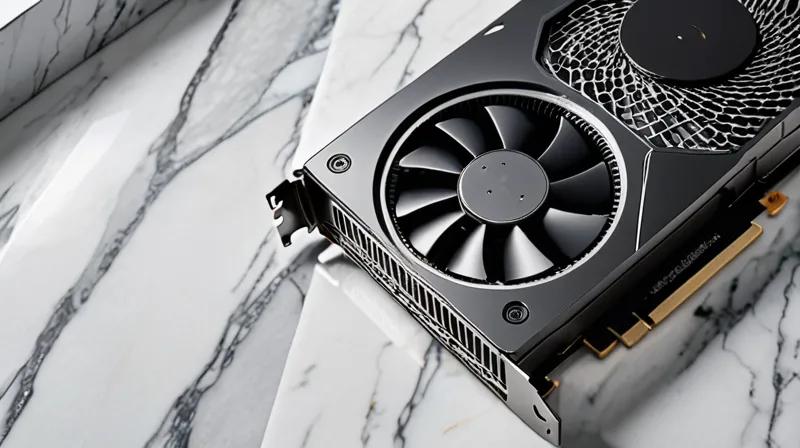
China is taking a cautious but strategic step to bolster its domestic artificial intelligence (AI) industry by allowing limited shipments of Nvidia's high-performance H200 chips onto the mainland. This move signals the Chinese government's recognition of the critical role that advanced hardware plays in maintaining global competitiveness in the AI race, particularly against the United States.
Strategic Move Amid Global AI Competition
The H200 chips, part of Nvidia's latest data center lineup, are designed for the most demanding AI workloads, including large language model training and inference. By permitting small quantities of these chips to reach Chinese AI firms, Beijing is attempting to bridge a technological gap that has hindered its industry's ability to scale effectively. The limited distribution suggests a balancing act between maintaining export controls and supporting national AI ambitions.
Implications for China's AI Ecosystem
This decision comes as China seeks to accelerate its AI development while navigating international sanctions and supply chain restrictions. The move could be seen as a temporary measure to keep domestic firms afloat in the short term, while long-term strategies to develop homegrown semiconductor capabilities continue. Analysts believe this may also reflect a broader effort to keep pace with U.S. tech giants like Nvidia, which dominate the global AI chip market.
Conclusion
While the trickle of H200 chips may seem modest, it underscores China's determination to maintain momentum in the AI sector. As global competition intensifies, the country's approach to balancing international regulations with domestic innovation will be crucial in shaping its future technological landscape.