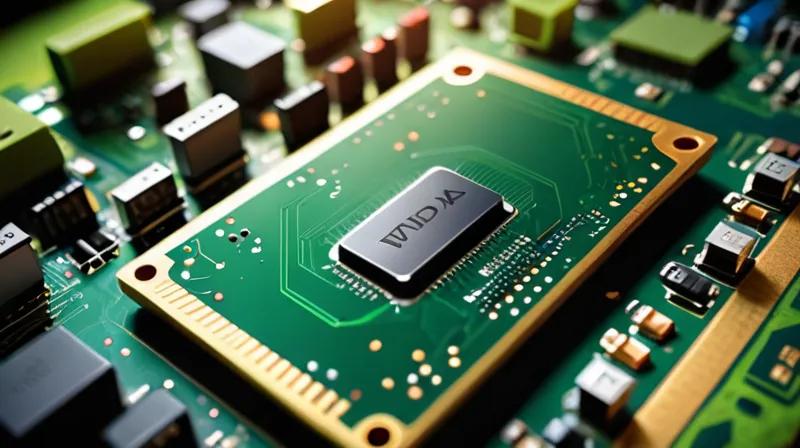
China’s leading memory chip manufacturer, ChangXin Memory Technologies (CXMT), has officially begun producing HBM3E (High Bandwidth Memory 3E) chips in small quantities. This marks a significant milestone in the country's efforts to reduce its reliance on foreign semiconductor technologies and close the gap in high-performance AI memory solutions.
Meeting the Demand for AI Acceleration
HBM3E is a high-bandwidth, high-density memory technology that is widely used in advanced AI processors, including those from NVIDIA and AMD. These chips are essential for training and running large language models and other compute-intensive AI workloads. Previously, China had to rely heavily on imports from companies like SK Hynix and Samsung for such memory solutions, which posed both supply chain risks and strategic dependencies.
The introduction of CXMT’s HBM3E chips is a strategic move that could help domestic AI chipmakers and data centers reduce their dependence on foreign suppliers. While the production volume is currently limited, it signals a growing capability within China’s semiconductor industry to produce cutting-edge memory components.
Implications for China’s AI Ambitions
This development aligns with China’s broader push to achieve self-reliance in critical semiconductor technologies. As the global AI landscape becomes increasingly competitive, access to high-performance memory is a key enabler for both domestic tech giants and emerging AI startups. CXMT’s entry into the HBM3E market could also accelerate the development of indigenous AI chips, such as those being developed by companies like Cambricon and Kunlun Tech.
However, the path ahead remains challenging. The production of HBM3E requires advanced manufacturing processes and significant capital investment. CXMT will need to scale up production and ensure consistent quality to compete effectively in the global market.
Conclusion
While still in its early stages, CXMT’s first HBM3E chips represent a promising step toward China’s goal of achieving semiconductor independence. As the company ramps up production, industry watchers will be closely monitoring its ability to meet the growing demand for high-performance memory in the AI era.