Why Some Household Appliances Should Never Use Extension Cords
Introduction
Have you ever plugged your space heater into an extension cord? Or used a long power cord for your Christmas lights? While it might seem convenient, an electrician warns that some common household gadgets can be dangerous when connected to extension cords. This isn't just about convenience - it's about safety and understanding how electricity works in your home.
What Are Extension Cords and Why Do We Use Them?
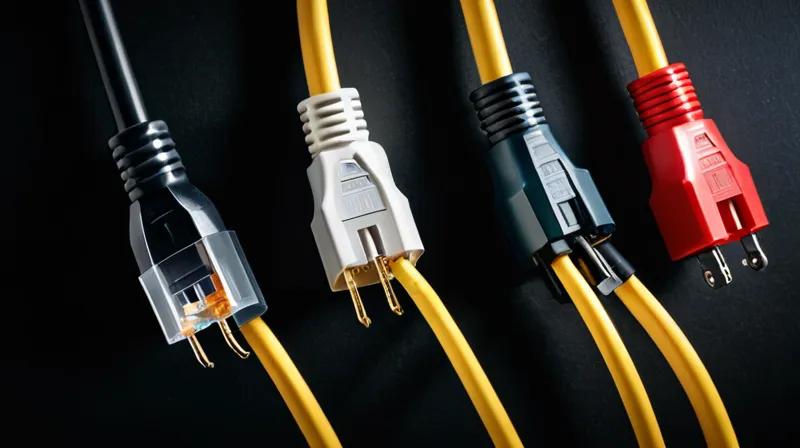
An extension cord is basically a long electrical cable that lets you plug devices into outlets that are far away. Think of it like a bridge that connects your appliance to the wall outlet. Extension cords are useful when you need to move furniture or when outlets are too far from where you want to use your device.
However, not all extension cords are created equal. Just like how you wouldn't use a thin straw to drink thick milk, not all electrical devices can safely use the same kind of power connection.
How Electricity Works in Your Home
Imagine electricity in your home as water flowing through pipes. The wall outlet is like a faucet, and the electrical current is like water pressure. Some appliances need a strong, steady flow of electricity - like a garden hose with high water pressure. Others can work with a gentle flow - like a thin drinking straw.
When you plug a high-powered appliance into an extension cord, you're essentially trying to force a large amount of electricity through a thinner pipe (the cord). This can cause the cord to overheat, just like how a thin straw might burst if you try to drink thick milk too quickly.
Why Some Appliances Are Dangerous with Extension Cords
Here are 7 common household gadgets that electricians say should never be plugged into extension cords:
- Space heaters - These use a lot of electricity to create heat. They're like high-powered water pumps that need strong pipes.
- Refrigerators - They run continuously and need a steady power supply. Think of them like a car engine that never stops running.
- Washing machines - These are heavy-duty appliances that use a lot of power during operation.
- Dryers - They're among the most power-hungry appliances in your home.
- Electric kettles - They heat up quickly and need a strong power source.
- Power tools - Like drills and saws that need lots of electricity to work properly.
- Television sets - Modern TVs, especially large ones, use significant power.
When you connect these appliances to extension cords, you're creating a potential fire hazard. The cord gets hot from carrying too much electricity, and this heat can damage the cord's insulation or even start a fire.
Why This Matters for Everyone
Understanding this concept is important because:
- Fire safety - Extension cord fires are a real danger. According to the National Fire Protection Association, electrical distribution and lighting equipment cause about 34,000 home fires annually.
- Device protection - Using the wrong cord can damage your appliances over time.
- Energy efficiency - Proper connections ensure your devices work at full efficiency.
Think of it like a car - you wouldn't drive on a flat tire, right? Similarly, you shouldn't use a weak electrical connection for devices that need strong power.
Key Takeaways
Here's what you need to remember:
- Extension cords are fine for low-power devices like lamps, phones, or computers
- High-power appliances need to be plugged directly into wall outlets
- When in doubt, check your appliance's power requirements (usually measured in watts)
- Look for a label that says 'direct plug-in only' on appliances
- If you must use an extension cord, choose one rated for the appliance's power needs
Remember: When it comes to electricity, it's always better to be safe than sorry. Your home's safety depends on making smart choices about how you connect your devices to power.