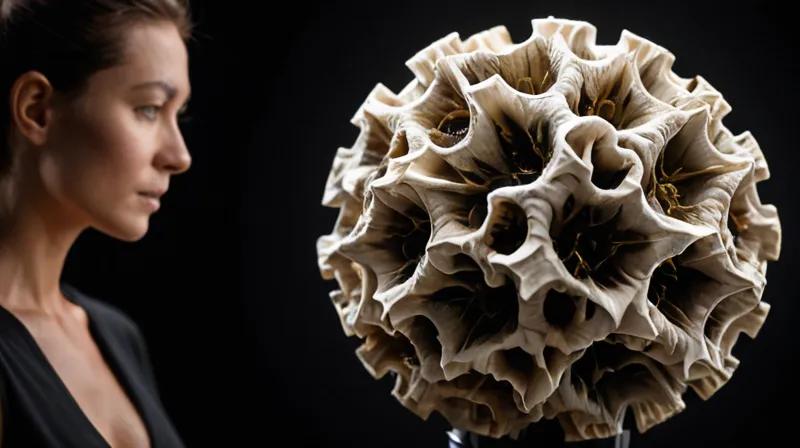
Climate-tech startup Mykor, based in Bristol with operations in Lisbon and a pilot plant in Portugal, has secured €4.6 million in funding to scale its innovative carbon-negative insulation panels made from mycelium. The company’s product, called MykoFoam, is grown from industrial waste residues and represents a significant step forward in sustainable construction materials.
Scaling Sustainable Building Solutions
The funding round, which is about four times larger than Mykor’s previous investment, underscores growing investor confidence in the potential of mycelium-based technologies. Mykor’s insulation panels are not only biodegradable but also sequester carbon during their growth phase, making them a powerful tool in the fight against climate change. The company’s Portuguese pilot plant is currently producing these panels at scale, with plans to expand production capabilities to meet rising demand.
Building the Future with Mycelium
The startup’s approach to insulation is both environmentally responsible and economically viable. By using agricultural byproducts such as wheat straw and sunflower husks as raw materials, Mykor is turning waste into high-performance building components. This not only reduces the carbon footprint of construction but also offers a sustainable alternative to traditional insulation materials like fiberglass and foam, which are often derived from petroleum.
As the global construction industry grapples with sustainability challenges, Mykor’s innovation aligns with increasing regulatory and market demands for greener building practices. With this latest funding, Mykor is well-positioned to accelerate its mission to decarbonize the built environment through biological solutions.
Looking Ahead
The company’s next phase involves expanding production, entering new markets, and further refining its technology. As the world seeks to reduce emissions in line with the Paris Agreement, innovations like Mykor’s could play a pivotal role in transforming the construction sector into a more sustainable and circular economy.