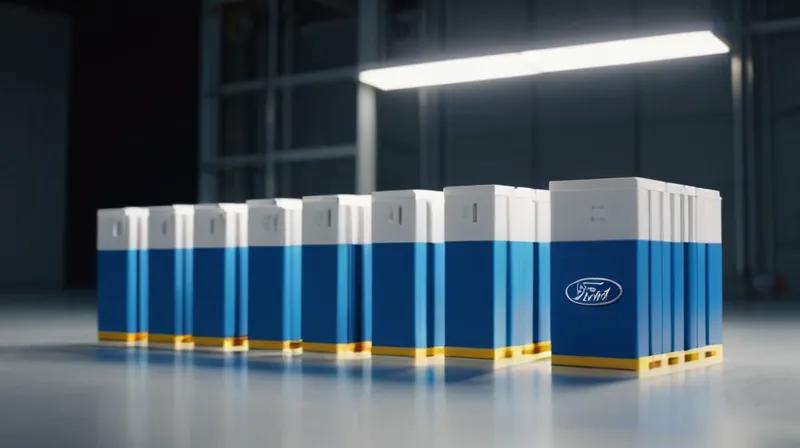
Ford is making a significant strategic shift in its energy ambitions, redirecting its focus from electric vehicles to large-scale battery storage systems designed for data centers and utilities. The automaker has launched Ford Energy, a wholly owned subsidiary dedicated to manufacturing energy storage solutions, with a $2 billion investment aimed at repurposing an existing Kentucky plant originally built for EV battery production.
Repurposing a Legacy
The move marks a pivotal pivot for Ford as it adapts to the evolving energy landscape. The Kentucky facility, initially intended for electric vehicle battery manufacturing, will now serve the growing demand for energy storage systems. These systems are crucial for stabilizing power grids, supporting renewable energy integration, and powering the data centers that fuel the AI revolution.
Leadership and Market Opportunity
Ford Energy is led by Lisa Drake, who reports directly to Ford’s leadership, signaling the company’s commitment to this new venture. The subsidiary targets utilities, industrial clients, and data centers — all of which are increasingly reliant on reliable and scalable energy storage. As AI data centers continue to expand, the demand for energy storage is expected to surge, making this a timely and strategic investment.
This initiative not only aligns with Ford’s broader sustainability goals but also positions the company to benefit from the rapidly growing energy storage market. With AI and data center demand on the rise, Ford Energy is betting that the future of energy storage lies in scalable, efficient systems that can support the digital infrastructure of tomorrow.