Bluetooth multipoint connectivity has become a standard feature in modern wireless headphones and earbuds, promising seamless switching between two devices. However, many users are experiencing frustrating inconsistencies with this technology, leading to questions about its reliability and implementation.
The Promise vs. Reality
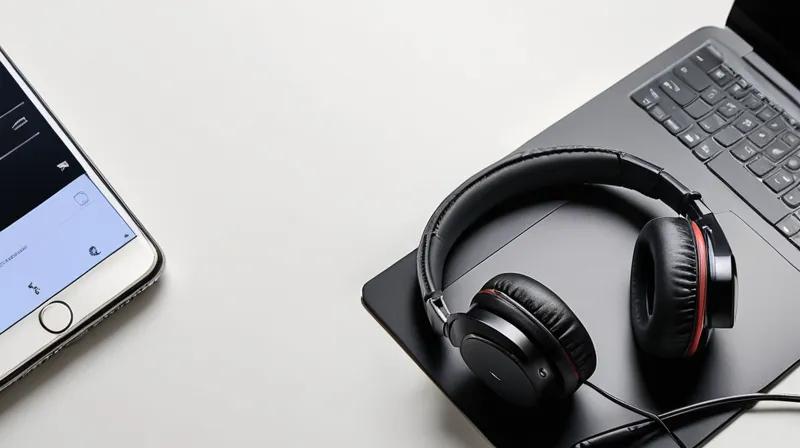
Bluetooth multipoint allows users to connect to two devices simultaneously, such as a laptop and smartphone, enabling automatic switching when audio or calls are active on either device. Manufacturers often tout this as a premium feature, but real-world performance frequently falls short of expectations. Users report issues like delayed switching, dropped connections, and devices failing to recognize the correct source.
Technical Challenges
The gap between marketing claims and actual performance stems from several technical limitations. Bluetooth multipoint requires complex coordination between devices, which can strain hardware capabilities. Many headphones and earbuds struggle with the processing demands of maintaining two active connections, particularly when switching between devices. Additionally, the Bluetooth protocol itself has inherent limitations that make true seamless switching difficult to achieve consistently.
Industry experts suggest that the reliability of multipoint connectivity largely depends on the specific Bluetooth version, chipset quality, and software optimization. While newer Bluetooth 5.0 and later versions offer improved multipoint capabilities, not all manufacturers fully utilize these features in their products.
What This Means for Consumers
For consumers, this means that while multipoint connectivity is a useful feature, it should be approached with realistic expectations. When shopping for wireless audio devices, it's important to consider not just the marketing claims, but also user reviews that highlight actual performance. Manufacturers must improve their implementation and testing processes to bridge the gap between specifications and user experience.
As wireless technology continues to evolve, the promise of flawless multipoint connectivity may eventually be realized, but for now, users should prepare for occasional frustrations with this otherwise valuable feature.