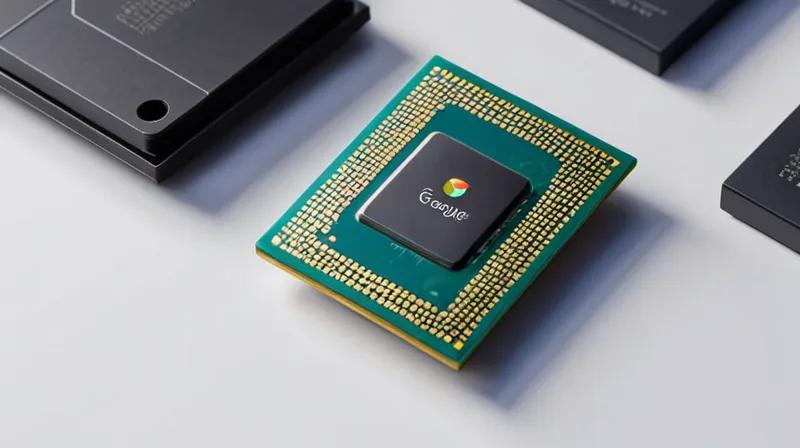
Google is reportedly making a significant leap in AI hardware with its upcoming Frozen v2 chip, which aims to integrate the architecture of its Gemini AI model directly into silicon. According to internal sources, the chip promises to be 6 to 10 times more efficient than current Tensor Processing Units (TPUs), potentially revolutionizing how AI inference is performed at scale.
Efficiency Gains Through Hardware Integration
The Frozen v2 chip represents a shift toward custom-designed hardware that is specifically tailored for AI workloads, rather than relying on general-purpose processors. By embedding the core design elements of the Gemini architecture into the chip’s very fabric, Google could dramatically reduce latency and power consumption during AI operations. This approach aligns with a broader industry trend where companies are increasingly turning to specialized chips to optimize performance and cost-efficiency for machine learning tasks.
Strategic Implications for Google’s AI Future
Scheduled for release in 2028, the Frozen v2 chip could give Google a substantial edge in the competitive AI landscape. With OpenAI and Anthropic pushing the boundaries of large language models, Google’s hardware innovation may provide it with both performance and cost advantages. Lower inference costs could allow Google to offer more competitive pricing for its AI services, potentially reshaping how enterprises and developers access and deploy AI technologies.
Conclusion
As AI models grow more complex and resource-intensive, the demand for optimized hardware is only expected to rise. Google’s Frozen v2 chip may be a critical step in maintaining its leadership in AI development and deployment, setting a new benchmark for efficiency and scalability in the industry.