At its recent Cloud Next conference, Google introduced a suite of AI-powered imaging tools designed to revolutionize how creative professionals, urban planners, and developers interact with digital environments. These innovations promise to dramatically reduce the time required for tasks like satellite image analysis, while also enabling new forms of creative expression through AI-generated content integrated into real-world locations.
AI Meets Real-World Imagery
One of the most visually striking features unveiled is the ability for creatives to seamlessly blend AI-generated images into real Street View locations. This tool allows filmmakers, architects, and designers to quickly prototype scenes or visualize concepts within existing urban landscapes, potentially transforming the way film scouting and location planning are conducted.
Accelerated Satellite Analysis for Urban Planners
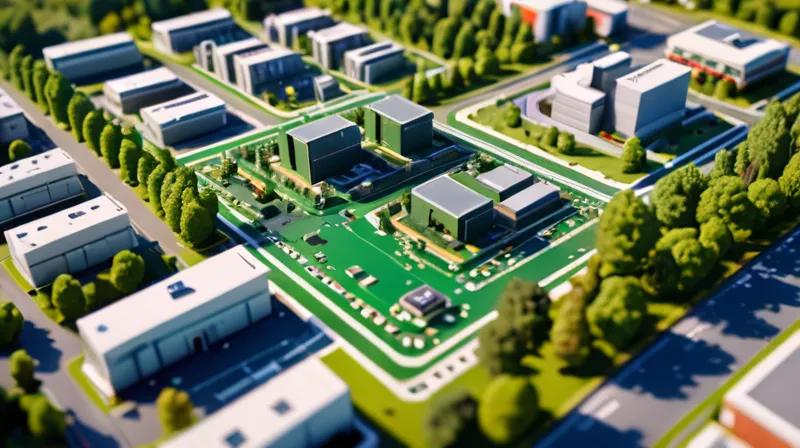
Google also highlighted how its new AI models can cut satellite imagery analysis time from weeks to minutes. City planners and developers can now rapidly identify and classify features like bridges, power lines, and infrastructure changes, enabling faster decision-making and more efficient urban development processes. This advancement could prove especially valuable in large-scale projects or disaster response scenarios where time is of the essence.
Implications for the Future
The integration of AI into Street View and satellite data analysis represents a significant step forward in how technology supports creative and planning workflows. By automating labor-intensive tasks, these tools not only save time but also open up new possibilities for innovation. As AI continues to evolve, such tools may become standard across industries, reshaping how professionals approach complex spatial and visual challenges.