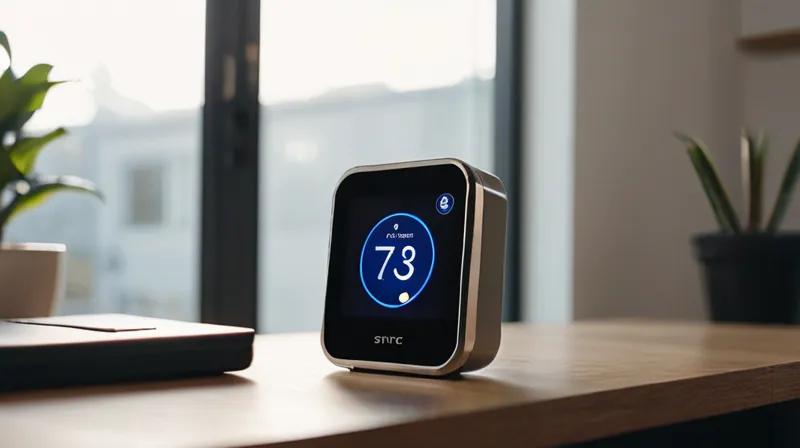
Smart home technology is making it easier than ever to optimize energy consumption while maintaining comfort. One particularly effective approach involves integrating smart thermostats with utility company off-peak hour rates through automated systems like IFTTT (If This Then That). This strategy allows homeowners to significantly reduce electricity costs without sacrificing their desired indoor climate.
Automating Energy Savings
IFTTT automations work by connecting different smart devices and services through simple 'if-then' triggers. For smart thermostats, this means setting up rules that automatically adjust temperature settings during specific time windows when electricity rates are lowest. Users can configure their systems to lower the thermostat by a few degrees during off-peak hours, then return to normal settings before peak usage times.
Practical Implementation
The process typically involves linking the thermostat to a utility company's smart meter or rate plan API, which provides real-time pricing data. When the system detects an off-peak period, it automatically modifies the heating or cooling schedule. Many utility companies offer time-of-use rate plans specifically designed to encourage energy shifting, making these automations even more effective.
Cost-Benefit Analysis
Homeowners who implement these strategies can see substantial savings, often reducing their monthly electricity bills by 15-30 percent. The key is finding the right balance between energy savings and comfort levels. While some may need to adjust their daily routines slightly, the long-term financial benefits typically outweigh any minor inconvenience.
Conclusion
Smart thermostat automation represents a practical intersection of convenience and cost-efficiency. By leveraging IFTTT and similar platforms, consumers can take advantage of utility programs while maintaining optimal home comfort, demonstrating how smart technology can make sustainable living both accessible and economical.