As audio technology continues to evolve, spatial audio has emerged as a transformative feature that's reshaping how we experience sound. This immersive technology creates a three-dimensional soundscape that makes listeners feel as though audio is coming from all directions around them, rather than just from speakers or headphones in front of them.
Understanding Spatial Audio Technology
Spatial audio works by processing audio signals to simulate how sound behaves in real-world environments. The technology employs advanced algorithms to manipulate audio cues like timing, volume, and frequency to create the illusion of depth and direction. Headphone manufacturers and audio software developers have invested heavily in creating compatible formats that can deliver this experience across different devices.
Device Compatibility Matters
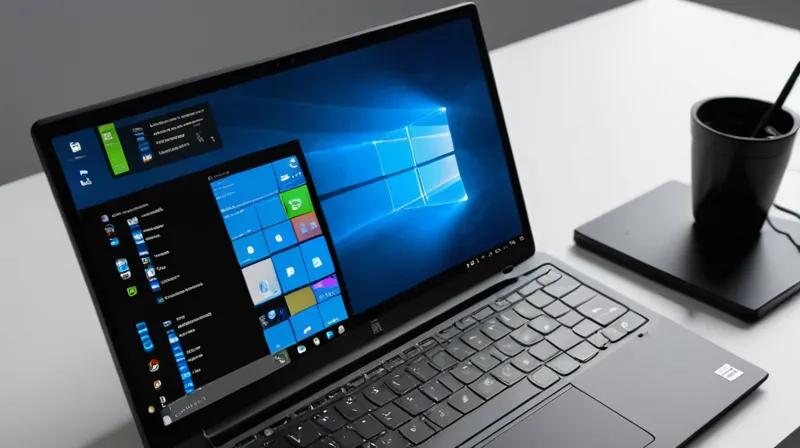
The effectiveness of spatial audio largely depends on both the audio format being used and the compatibility of playback devices. Apple's Dolby Atmos for Headphones and Windows Sonic are two prominent examples of spatial audio implementations, each requiring specific hardware support. When devices lack proper processing capabilities or aren't designed for spatial audio, the full immersive experience is often lost.
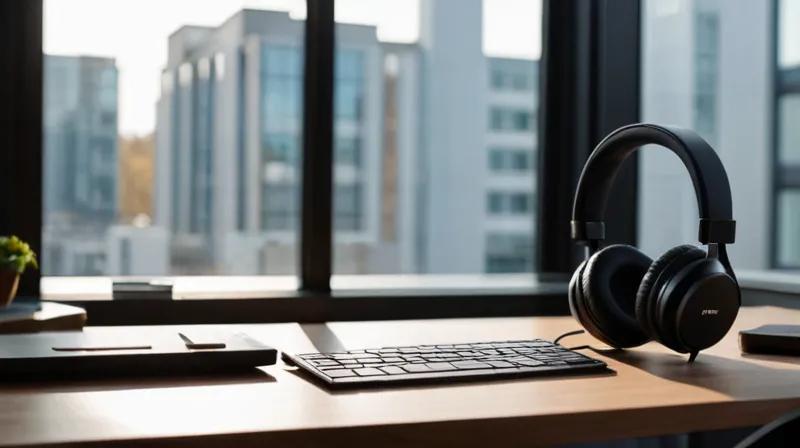
For those seeking the best spatial audio experience, it's essential to consider not just the audio content but also the quality of the playback equipment. High-end headphones with dedicated spatial audio processing typically deliver superior results compared to standard audio devices.
Future of Immersive Audio
As more devices support spatial audio formats, the technology is poised to become mainstream. Streaming services and content creators are increasingly incorporating spatial audio into their offerings, signaling a shift toward more immersive entertainment experiences. The integration of spatial audio in virtual and augmented reality applications further highlights its growing importance in the audio landscape.
Whether you're a casual listener or a professional audio enthusiast, understanding how spatial audio works and selecting compatible devices can significantly enhance your listening experience.