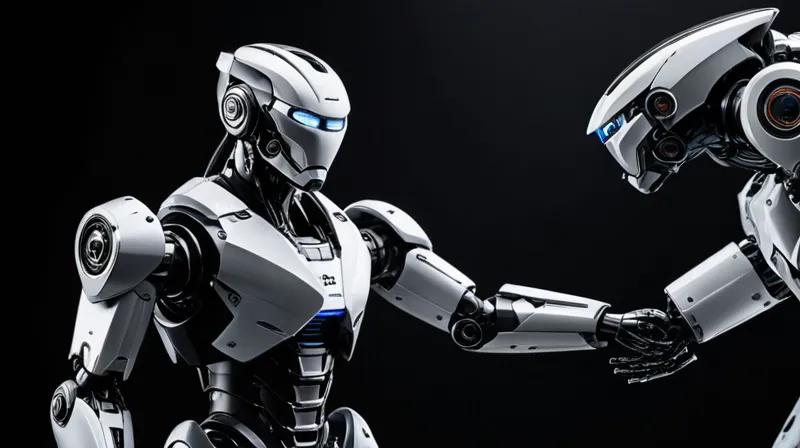
Hyundai Motor Group is making a significant push into the robotics and physical artificial intelligence (AI) space, signaling a major shift in its business strategy. Traditionally known for automotive innovation, the company is now venturing into AI-powered systems that can operate and interact within physical environments. This move represents a clear evolution from software and hardware solutions to tangible, autonomous systems that can perform real-world tasks.
Focus on Industrial Applications
The company's initial efforts in physical AI are primarily centered on industrial and factory settings. By integrating AI into robotic systems, Hyundai aims to enhance automation capabilities in manufacturing environments. These physical AI systems are designed to work alongside human operators, improving efficiency and precision in production lines. The integration of AI into robotics allows for more adaptive and responsive machines that can adjust to changing conditions and optimize performance in real time.
Strategic Implications
This expansion into physical AI systems reflects a broader industry trend where companies are seeking to leverage AI beyond traditional software applications. Hyundai's approach underscores the growing importance of robotics in manufacturing and logistics, where physical interaction with the environment is crucial. The company's strategy aligns with the increasing demand for smart factories and Industry 4.0 solutions. By investing in physical AI, Hyundai positions itself at the intersection of automotive innovation and industrial automation, potentially opening new revenue streams and market opportunities.
As the company continues to develop these systems, the implications for manufacturing and automation are significant. Hyundai's entry into this space could influence how other automotive and industrial companies approach AI integration, potentially accelerating the adoption of physical AI technologies across various sectors.