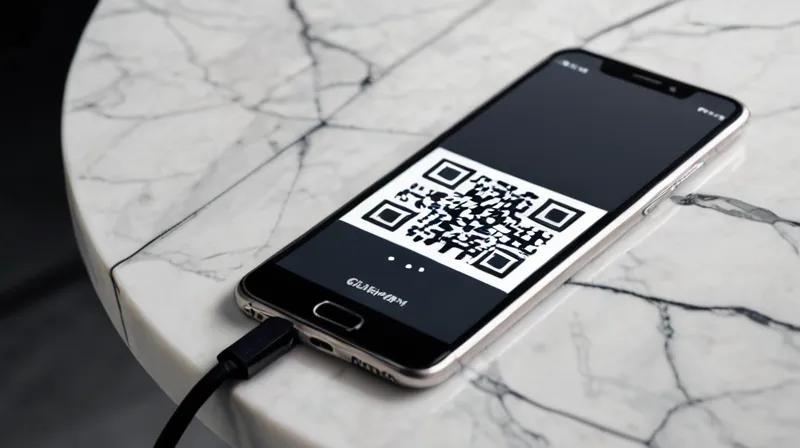
In an increasingly digital world, cybercriminals are constantly evolving their tactics to exploit human trust and curiosity. One such emerging threat is quishing – a form of phishing that uses QR codes to direct users to malicious websites or download harmful software. As QR codes become more prevalent in everyday transactions, security experts are warning consumers to remain vigilant against these deceptive schemes.
Understanding the Quishing Threat
Quishing scams operate similarly to traditional phishing attacks but leverage QR codes as the primary delivery mechanism. These codes can appear anywhere – on posters, product packaging, social media posts, or even in emails. When scanned, they redirect users to fraudulent sites designed to steal personal information, financial data, or install malware on devices. Unlike conventional phishing, which often relies on suspicious email addresses or spelling errors, quishing can appear legitimate at first glance, making it particularly dangerous.
How to Protect Yourself
Security experts recommend several key steps to avoid falling victim to quishing attacks. First, always verify the source of any QR code before scanning it. If the code appears unexpectedly or is not clearly associated with a trusted brand or business, proceed with caution. Second, many smartphones now offer features that preview the destination URL before scanning, so take advantage of these tools. Third, be wary of any QR code that prompts immediate action, such as entering personal details or downloading applications. Finally, consider using a QR code scanner app that provides additional security checks and warnings.
As QR codes continue to gain traction in various industries, from retail to healthcare, the potential for quishing attacks will likely increase. Staying informed and cautious is essential in this evolving threat landscape.