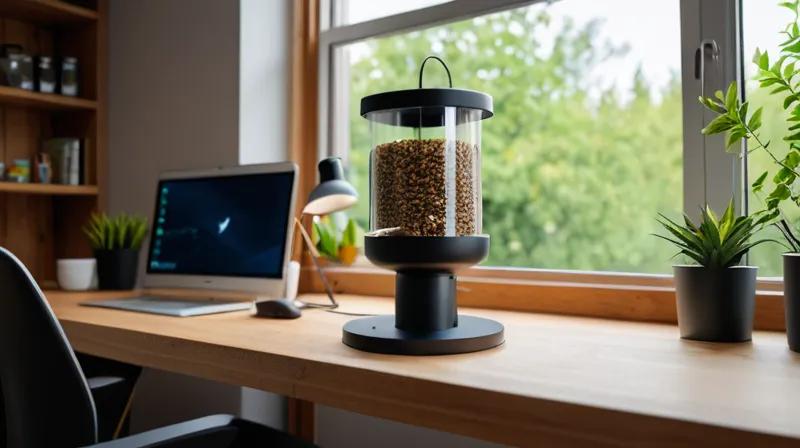
Smart bird feeders are becoming increasingly popular among nature enthusiasts, and Kiwibit's latest AI-powered device is making waves for its innovative approach to birdwatching. The device combines traditional backyard observation with cutting-edge artificial intelligence to create an engaging experience for users who want to learn more about local wildlife.
AI-Powered Bird Identification
Kiwibit's smart feeder uses advanced computer vision algorithms to automatically identify and catalog bird species that visit the feeder. The system captures images of visiting birds and processes them through machine learning models trained on extensive avian databases. Users can then access a mobile application that displays real-time information about each species, including behavioral patterns, migration routes, and conservation status.
Engaging Nature Education
The device's appeal extends beyond simple identification, as it transforms birdwatching into an interactive educational experience. The app features gamification elements, allowing users to collect virtual badges and compete with friends on bird species sightings. This approach has proven particularly effective in engaging younger audiences, encouraging them to spend more time outdoors while learning about biodiversity and conservation efforts.
The smart feeder also contributes valuable data to citizen science initiatives, helping researchers track bird populations and migration patterns across different regions. By aggregating user-generated observations, Kiwibit's platform supports broader ecological research while providing individual users with a sense of contributing to meaningful scientific work.
Conclusion
Kiwibit represents a compelling fusion of technology and environmental awareness, offering users a novel way to connect with nature. As smart home devices continue to evolve, innovations like this demonstrate how AI can make scientific engagement more accessible and entertaining for everyday users.