What is a Data Center Moratorium?
Imagine you're planning a big party, but your neighborhood has a rule that says no new parties can be held for the next few years. That's basically what a moratorium is – a temporary pause or stop on something. In this case, Maine's governor vetoed a bill that would have stopped new data centers from being built in the state until November 1, 2027.
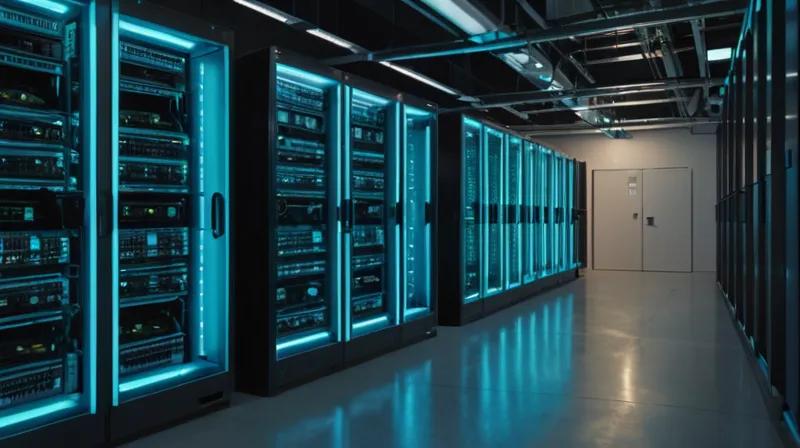
A data center is like a giant warehouse filled with powerful computers that store and process information for the internet. Think of it as a massive digital library where all your online activities – from watching videos to sending messages – happen behind the scenes.
How Does This Work?
When lawmakers propose a moratorium, they're essentially saying, "Let's pause this specific activity for a set period." In Maine's case, they wanted to stop new data centers from being built. This might seem strange at first – why would anyone want to stop building these computer warehouses?
The reason is simple: energy consumption. Data centers use enormous amounts of electricity – more than some small cities! For example, a large data center might use as much electricity as 100,000 homes. That's like having 100,000 people all turning on their lights, computers, and appliances at the same time.
Why Does This Matter?
Think about it like this: if your house had a rule that no new electrical appliances could be plugged in, you might do it to protect the power grid. Similarly, Maine's lawmakers were trying to protect their energy system and environment.
However, there's a big debate happening here. Data centers are very important for our digital world. They help power everything from social media to online shopping to cloud computing. When you use a smartphone app or stream a movie, you're using data centers.
Here's a practical example: If you're a business owner thinking about opening a new store, and the local government says no new stores can open for two years, that affects your business plans. Similarly, if no new data centers can be built, it affects how quickly companies can expand their digital services.
Key Takeaways
- A data center moratorium is a temporary pause on building new computer warehouses
- These facilities use massive amounts of electricity – like 100,000 homes all at once
- Lawmakers want to control energy usage and environmental impact
- But stopping new data centers also stops business growth and innovation
- It's a balance between protecting resources and allowing progress
This situation shows how technology and government policy must work together. We need powerful computers for our digital lives, but we also need to be smart about how much energy they use and what impact they have on our environment.