Microsoft may be poised to eliminate one of the most contentious requirements in its Windows operating system history. A senior Microsoft executive recently signaled that the company might finally remove the mandatory TPM 2.0 chip requirement for Windows 11 installation, a move that has frustrated users for years.
Long-Awaited Change for Users
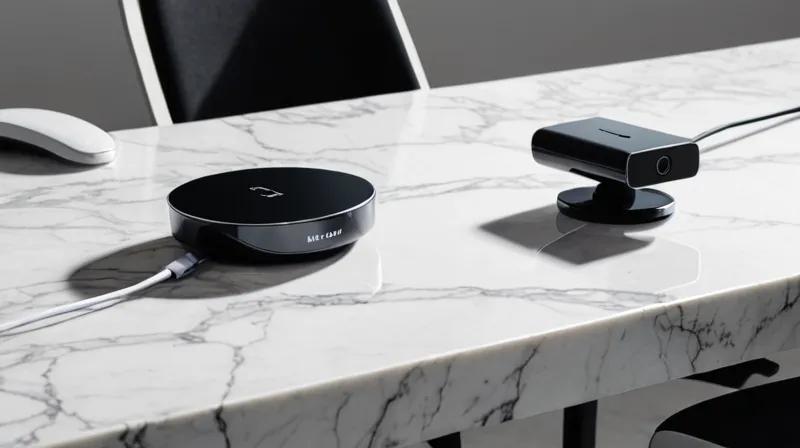
The TPM 2.0 (Trusted Platform Module) chip requirement has been a significant barrier for many PC owners who wish to upgrade to Windows 11. This security chip is designed to store encryption keys and other sensitive data, but its presence has meant that older computers—often just a few years old—cannot run the latest Windows version. Users have expressed frustration that their perfectly functional hardware is deemed insufficient for the upgrade.
Microsoft's VP, speaking at a recent event, acknowledged the community's feedback and suggested that the company is considering relaxing this requirement. "We've heard the feedback from our users," the executive stated. This potential shift could open the door for millions of existing PCs to access Windows 11, potentially extending the life of older hardware.
Broader Implications for Microsoft
The move could be part of a broader strategy to make Windows 11 more accessible while maintaining security standards. By removing the TPM 2.0 barrier, Microsoft might be attempting to balance user demand with its own platform integrity. "We're committed to making Windows 11 available to as many users as possible," the VP added, suggesting that this could be the first step toward a more flexible approach to system requirements.
Industry analysts believe this potential change could have a significant impact on Microsoft's user base, particularly among businesses and individuals who rely on older hardware. It may also help Microsoft compete more effectively against other operating systems that offer broader compatibility.
What’s Next?
While the announcement was encouraging, Microsoft has not yet confirmed any official timeline for this change. Users will need to await further details from the company, but the indication of a possible shift in policy is a welcome development for many.
As Microsoft continues to evolve its operating system, the company's willingness to listen to user feedback could set a precedent for future platform updates, emphasizing accessibility without compromising on security.