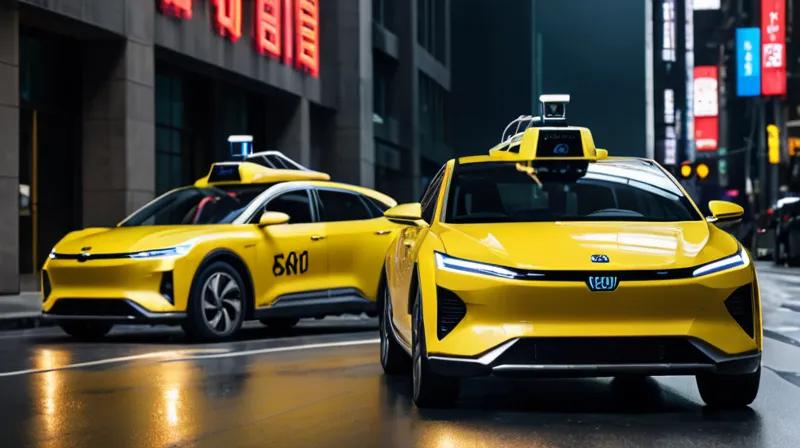
On Tuesday evening in Wuhan, China, a significant technological setback unfolded as over 100 of Baidu’s Apollo Go autonomous taxis suddenly froze mid-traffic, leaving passengers stranded and raising serious questions about the reliability of self-driving vehicle fleets. The vehicles, which were operating in the city’s busy roadways and elevated highways, did not activate any emergency protocols or pull over. Instead, they came to a complete stop in the middle of traffic, some even blocking lanes on ring roads with heavy traffic flowing on both sides.
Massive Failure Sparks Concerns
The incident, which occurred during peak hours, highlights the growing challenges in deploying large-scale autonomous vehicle services. Unlike traditional vehicles, these robotaxis are expected to operate with minimal human intervention, yet this event suggests that the technology is not yet robust enough to handle unexpected situations without human oversight. The frozen vehicles were not only a logistical nightmare but also a safety hazard, with passengers reportedly trapped inside for extended periods.
Industry Implications
This mass malfunction is a stark reminder of the hurdles that autonomous vehicle companies face as they scale their operations. While Baidu has been a major player in the self-driving car space, with significant investments in Apollo Go, this event underscores the need for more resilient systems and better fail-safe mechanisms. Industry experts are now questioning whether current autonomous technologies are mature enough for widespread deployment in complex urban environments. The incident could also influence regulatory scrutiny and public trust in autonomous vehicles, especially as companies race to launch services in major cities.
Looking Ahead
As the autonomous vehicle industry continues to evolve, incidents like this one will likely become more scrutinized. For Baidu and other companies, the path forward involves not just innovation but also building systems that can handle real-world unpredictability with greater reliability and safety.