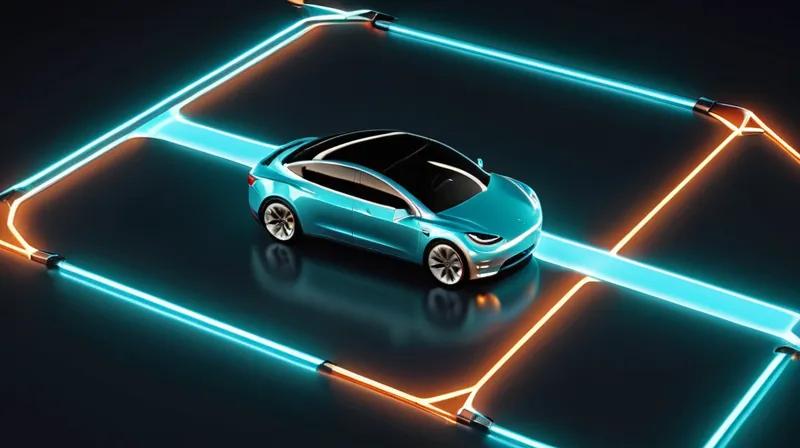
Elon Musk has once again emphasized the ultimate goal of Tesla's Full Self-Driving (FSD) technology: enabling passengers to sleep through their commute. Speaking during Tesla's Q1 2025 earnings call, Musk described the ability to fall asleep in a Tesla and wake up at the destination as the "acid test" for true autonomy. This vision, first articulated in 2014, underscores Musk's long-term ambition for a future where autonomous vehicles are not just safer than human-driven cars, but also more convenient and efficient.
Robotaxi Performance Falls Short
Despite Musk's optimism, real-world performance of Tesla's robotaxis in Austin has raised questions about the readiness of the technology. According to recent data, Tesla's autonomous vehicles have crashed four times more than human-driven cars in the city. These incidents, while not necessarily indicative of a systemic failure, highlight the challenges that remain in achieving the seamless, accident-free autonomy that Musk envisions.
Challenges and Industry Implications
The discrepancy between Musk's ambitious timeline and actual performance reflects broader industry struggles with autonomous vehicle development. While other companies like Waymo and Cruise have made strides in limited autonomous driving deployments, Tesla's approach—relying on over-the-air software updates and a large fleet of vehicles for data collection—has drawn both praise and criticism. Industry experts suggest that achieving true autonomy will require not only advanced AI but also robust regulatory frameworks, improved sensor technology, and extensive real-world testing.
As Tesla continues to roll out FSD in select markets, the company's ability to address safety concerns while meeting Musk's lofty expectations will be critical. The Austin robotaxi data may serve as a wake-up call for the industry, reinforcing the need for cautious optimism and continued innovation.