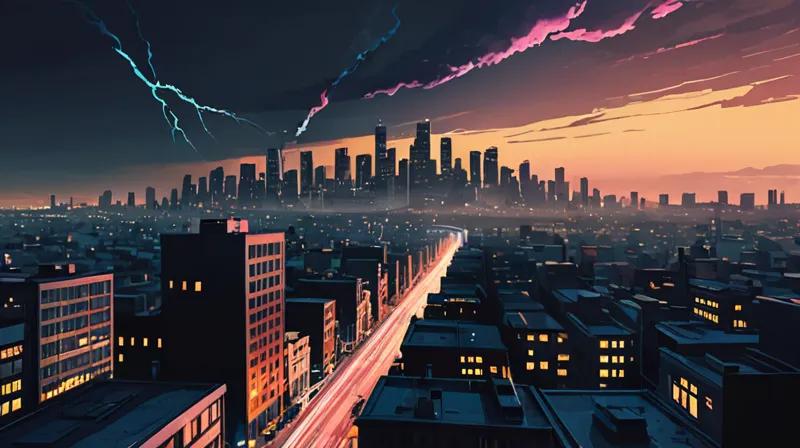
Neill Blomkamp, known for his acclaimed works District 9 and Gran Turismo, has unveiled his latest endeavor with a 13-minute sci-fi short titled Nightborne. The film, which draws inspiration from Peter Watts' 2014 novel Echopraxia, marks Blomkamp's entry into the rapidly evolving world of AI-generated content through his new production company, Barley Studios.
AI-Driven Creation with Human Touch
The short film showcases Blomkamp's vision of blending traditional filmmaking with cutting-edge artificial intelligence. Characters in Nightborne feature voices and facial expressions meticulously modeled after real human actors, demonstrating the potential for AI to enhance rather than replace human creativity. However, the project has sparked debate within the industry about the authenticity and artistic value of such hybrid productions.
Critical Reception and Industry Implications
While Blomkamp's foray into AI filmmaking is ambitious, critics have expressed skepticism about the final product. Some reviewers have described the short as 'slop warmed over,' suggesting that the AI elements, despite their sophistication, fail to elevate the narrative or visual storytelling. This reaction reflects broader concerns in the entertainment industry about the role of AI in creative processes and whether such tools can truly capture the emotional depth and nuance that human artists bring to their work.
The release of Nightborne underscores the growing influence of AI in media production, as studios and creators grapple with the balance between technological innovation and artistic integrity. As AI tools become more accessible, the industry is left questioning what constitutes originality and creativity in an age where machines can mimic human expression with increasing realism.
With Blomkamp's new venture, the conversation around AI in entertainment continues to evolve, challenging creators and audiences alike to consider how technology reshapes the landscape of storytelling.