The European Union has made a significant regulatory shift that could reshape the landscape for wearable technology, particularly impacting both Meta’s smart glasses and Nintendo’s upcoming console launch in Europe.
The European Commission has officially exempted wearable devices from stringent battery rules that previously required batteries to be user-replaceable. This change, adopted on Tuesday, removes a major hurdle for companies seeking to introduce new wearable tech in the EU market. The new delegated act expands the list of exempted product categories to include smartwatches, fitness trackers, and other wearable devices, signaling a broader recognition of the unique design constraints of such products.
Meta’s Smart Glasses Get a Regulatory Break
This regulatory move is especially significant for Meta, which has been working to bring its latest smart glasses to European consumers. The exemption allows Meta to bypass the requirement for removable batteries, a feature that would have complicated the design and functionality of the glasses. Politico reported that the decision could accelerate Meta’s EU rollout and reduce the risk of delays in bringing its augmented reality product to market.
Nintendo’s EU Console Launch in Jeopardy
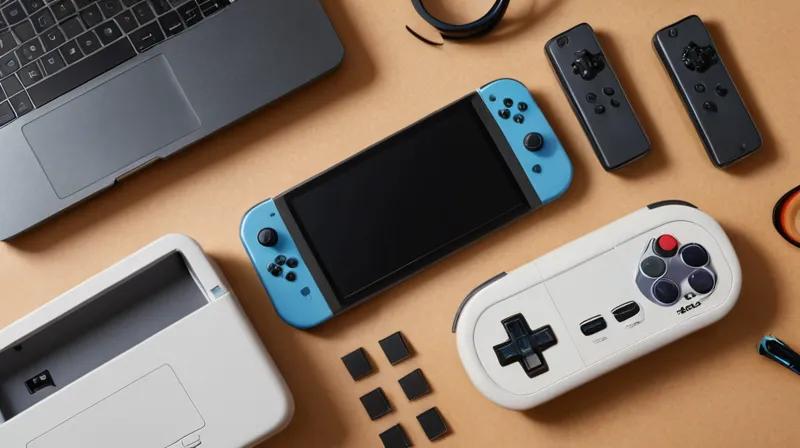
Meanwhile, the news comes as Nintendo is reportedly pulling its upcoming console from the European market due to the same battery regulations. The company’s decision highlights the complexity of navigating EU product standards, especially when it comes to balancing safety requirements with innovative product design. While the exemption opens the door for wearable tech, it does not necessarily resolve all regulatory concerns for other consumer electronics.
The broader implications of this ruling suggest that the EU is adapting its regulatory approach to better accommodate modern, integrated technologies. As wearable devices become more prevalent, such adjustments may become increasingly common, reflecting a growing understanding of how these products differ from traditional electronics.