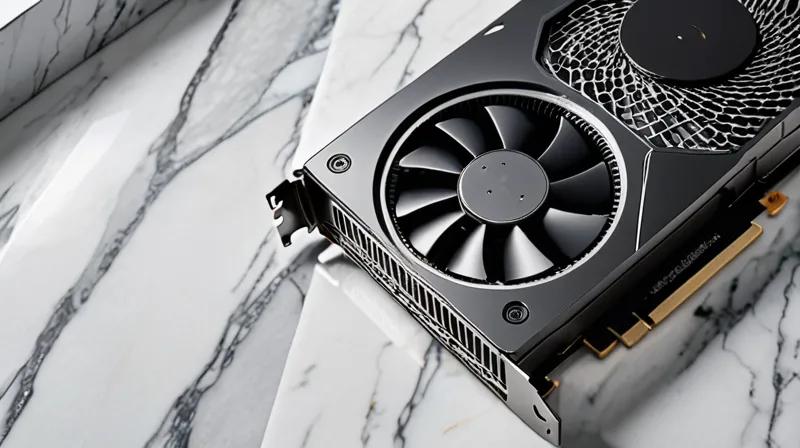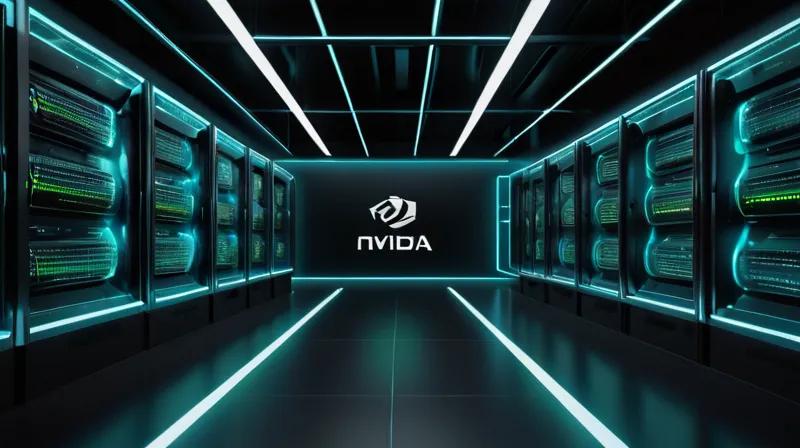
Nvidia is making a bold push to become the dominant force in AI data center infrastructure by advocating for a complete end-to-end solution. CEO Jensen Huang made the case during a recent presentation that consolidating all data center components under one roof—hardware, software, and networking—will deliver superior efficiency, cost savings, and revenue generation for customers.
Integrated Approach to AI Infrastructure
The company's strategy centers on its belief that proprietary integration of chips, servers, and software will outperform traditional approaches where customers mix and match components from different vendors. Huang emphasized that this vertical integration allows for optimized performance and reduced latency, which are critical for AI workloads that demand high computational throughput.
Nvidia's approach also includes its Omniverse platform and AI software stack, which work seamlessly with its hardware to create a unified ecosystem. By controlling the entire pipeline, the company aims to reduce compatibility issues, simplify maintenance, and accelerate deployment times for AI applications. This strategy aligns with broader industry trends toward specialized AI infrastructure, where companies are increasingly looking for turnkey solutions rather than piecemeal components.
Market Implications
Industry analysts suggest that while Nvidia's vision is compelling, it could face resistance from enterprises that prefer vendor-neutral approaches for cost control and flexibility. However, the company's strong position in GPU technology and its growing software portfolio give it a significant edge in convincing customers to adopt its full-stack solution. The move also reflects Nvidia's broader ambition to dominate the AI computing landscape beyond just hardware, positioning itself as a complete AI infrastructure provider.
As AI adoption accelerates across industries, Nvidia's integrated approach could become the industry standard, especially for organizations that prioritize performance and ease of deployment over multi-vendor flexibility.