What is Nvidia's Vera CPU and why is it making headlines?
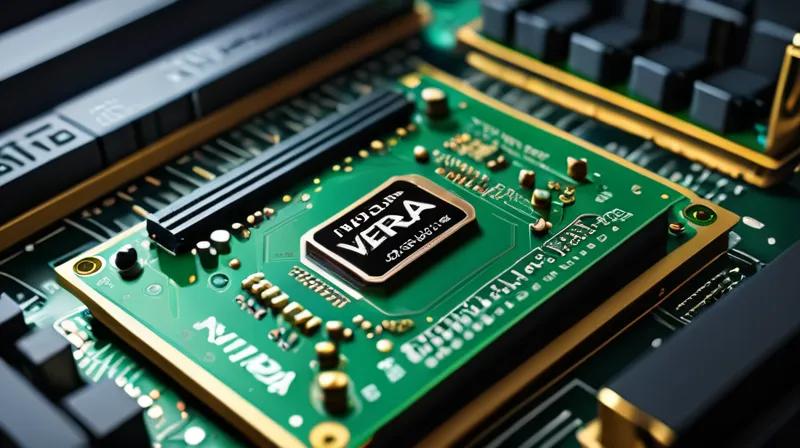
In simple terms, Nvidia's Vera CPU is a new type of computer chip that Nvidia is selling to customers in China. But this isn't just any ordinary chip — it's part of a clever workaround that lets Nvidia continue doing business in China, even though U.S. laws have made it very hard for the company to sell its top-selling chips there.
What is it?
A CPU, or Central Processing Unit, is like the brain of a computer. It's the part that actually does the thinking and calculations. You might know CPUs from your phone, laptop, or even video game consoles. Nvidia is one of the biggest makers of these chips, especially for graphics and artificial intelligence (AI) work.
But here's the twist: Nvidia has been banned from selling its most powerful chips to China due to U.S. export controls — rules that limit how U.S. companies can sell certain technologies to other countries. These restrictions were put in place to protect U.S. national security interests, especially as China is rapidly advancing in AI and technology.
So, what does Vera do? It's a more basic chip — not as powerful as Nvidia's top-tier AI chips, but still useful for certain tasks. By offering Vera, Nvidia is trying to find a way to keep selling products to Chinese customers without violating the export rules.
How does it work?
Think of it like a restaurant trying to sell food to a country where certain ingredients are banned. The restaurant can't just serve the same menu — but it can offer a different, safer version of the same dish. In this case, Vera is like the 'safe' version of Nvidia's high-end chips.
Export controls are rules that say which technologies can and can't be sold to other countries. In this case, the U.S. government is worried that very powerful AI chips could be used for military or surveillance purposes in China. So, Nvidia can't sell its most advanced chips to China.
Vera, however, is not as powerful, so it's less likely to be considered a security risk. It's a way for Nvidia to still do business with China, while staying within the bounds of U.S. laws. It's like a side door — a way in that doesn't go through the main entrance that's locked.
Why does it matter?
This situation matters because it shows how global tech companies must navigate complex political and legal landscapes. It's not just about selling chips — it's about balancing business needs, national security, and international relations.
For China, having access to chips like Vera helps them continue their AI development, even if they can't get the very best tools. For the U.S., these export controls are a way to keep its technological edge, especially in sensitive areas.
It also highlights how AI and computing are not just about technology — they're deeply tied to geopolitics. When one country restricts what another can buy, it affects the entire global tech ecosystem.
Key takeaways
- Nvidia is selling a new, less powerful chip called Vera to China as a workaround to U.S. export controls.
- U.S. laws prevent Nvidia from selling its most advanced chips to China due to national security concerns.
- Vera is a "side door" solution that allows Nvidia to still do business with Chinese customers.
- This situation shows how tech companies must balance profits, regulations, and global politics.
So, in short, Vera is not just a chip — it's a clever strategy to keep the tech world moving, even when politics get in the way.