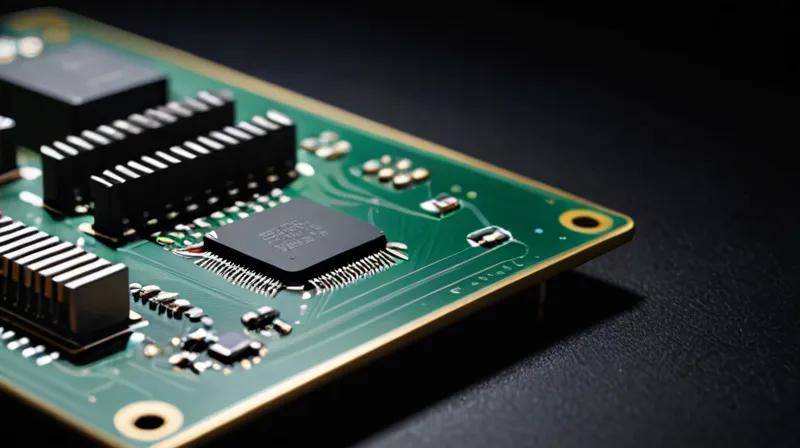
OpenAI has announced a significant expansion of its hardware capabilities with the unveiling of the Jalapeño chip, a custom-built processor developed in collaboration with semiconductor giant Broadcom. This new chip is specifically engineered to accelerate large language model (LLM) inference, a critical function for powering AI applications like chatbots and content generation systems.
The Jalapeño chip represents a strategic move by OpenAI to reduce its reliance on third-party hardware and improve the efficiency and speed of its AI workloads. While details about the chip’s architecture remain limited, the project underscores the growing importance of custom silicon in the AI industry. As AI models become more complex and compute-intensive, companies are increasingly turning to specialized chips to meet performance demands and reduce latency.
Broadcom, known for its expertise in networking and semiconductor solutions, is bringing its advanced manufacturing and design capabilities to this initiative. The chip is expected to be deployed at scale by late 2026, positioning OpenAI to handle massive inference workloads more effectively. This development is part of a broader industry trend, where leading AI companies are investing heavily in custom hardware to maintain competitive advantages and scalability in the evolving AI landscape.
As AI systems continue to grow in complexity, the demand for optimized hardware will only intensify. The Jalapeño chip is a clear indication that companies like OpenAI are preparing for that future by building tailored solutions that can handle the computational demands of next-generation AI models.