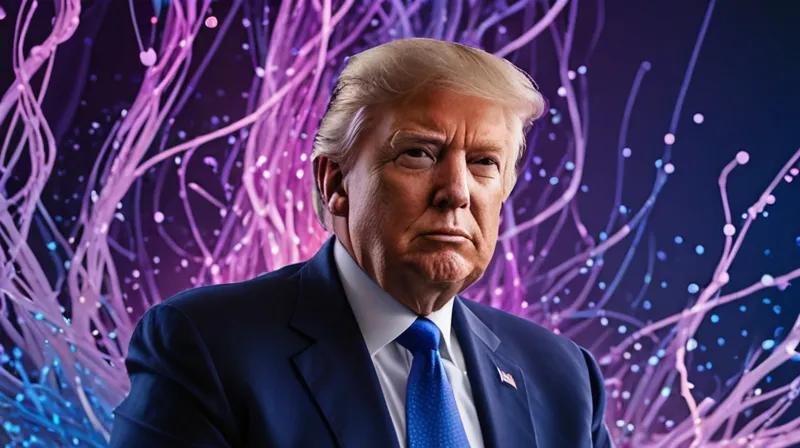
OpenAI, the leading artificial intelligence research laboratory, is reportedly considering offering the Trump administration a five percent stake in the company, according to recent reports. This move underscores the growing intersection between AI innovation and political influence, as tech giants increasingly seek to align themselves with government entities for strategic and regulatory advantages.
Strategic Alignment with Washington
The potential deal highlights how closely OpenAI is positioning itself with the U.S. government, particularly in an era where AI regulation and policy are becoming increasingly critical. While details about what the government might offer in return remain unclear, such an investment could signal a desire to secure favorable regulatory treatment or access to government contracts. The move may also reflect broader concerns about AI governance and the need for collaboration between private AI firms and public institutions.
Implications for AI Policy and Industry
This development comes amid heightened scrutiny of AI companies and their operations, with policymakers across the globe pushing for greater transparency and oversight. By potentially offering a stake to the Trump administration, OpenAI could be attempting to shape the regulatory landscape in its favor. However, it also raises questions about the influence of political affiliations on AI development and deployment. Critics may argue that such ties could compromise the neutrality of AI research, while supporters may see it as a necessary step to ensure responsible AI governance.
Conclusion
As OpenAI navigates the complex terrain of government relations, this potential investment could set a precedent for how AI companies engage with political entities. Whether this move strengthens or complicates the company’s position in the rapidly evolving AI landscape remains to be seen, but it certainly signals a significant shift in how tech firms approach policy and public relations.