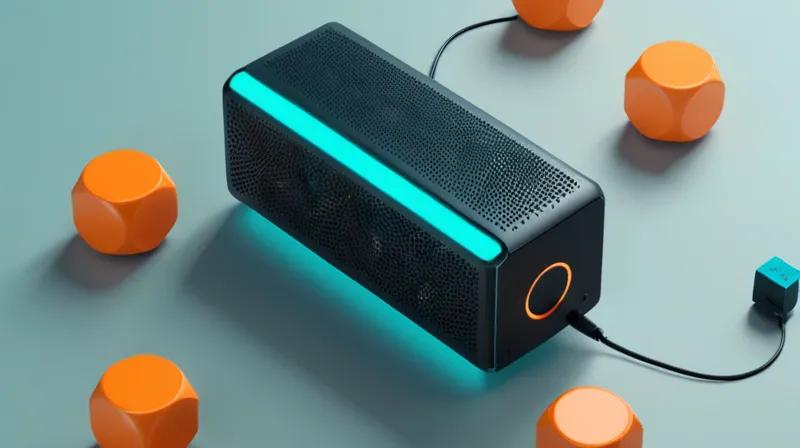
OpenAI is making a bold move into the hardware space with its first physical product: a screenless smart speaker designed to feel alive. The device, which features a camera, sensors, and mechanical components that move, aims to blur the line between technology and companionship. Unlike traditional smart speakers, this new product is intended to be an interactive AI companion that responds to users in real time, evoking a sense of presence and emotional connection.
Design and Functionality
The speaker's innovative design includes a rotating camera and moving mechanical parts that respond to voice commands and gestures, giving it a lifelike quality. According to reports, the device is engineered to detect and react to human emotions, making it more than just a voice assistant. The absence of a screen is intentional, as OpenAI wants to focus on auditory and tactile interactions, creating an immersive experience that feels intuitive and personal.
Legal Hurdles and Launch Timeline
However, OpenAI's hardware ambitions may face a delay due to a legal dispute. Apple has filed a lawsuit against Tang Tan, the former head of OpenAI’s hardware division, alleging trade secret theft. Tan is said to have worked on hardware projects at Apple before joining OpenAI, and the lawsuit could impact the company’s ability to move forward with its planned 2027 launch. While the outcome remains uncertain, this legal conflict highlights the competitive stakes in the emerging AI hardware market.
Conclusion
If successful, OpenAI’s screenless AI speaker could redefine how users interact with smart home devices. As AI continues to evolve, the integration of physical, emotionally responsive hardware may become a key differentiator in the tech landscape. Whether the legal issues are resolved in time, this product represents a significant step toward a future where AI feels less like a tool and more like a living presence.