Introduction
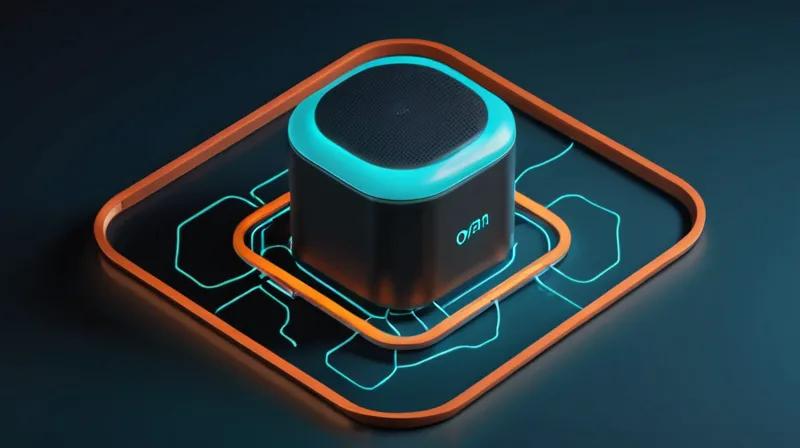
OpenAI's upcoming smart speaker, expected in 2027, represents a significant evolution in AI-powered personal assistants. This device, described as donut-shaped with a camera, microphones, and moving parts, embodies a new paradigm in human-AI interaction. Unlike traditional smart speakers that rely on fixed voice commands, this device aims to learn from conversations and adapt to individual users over time. The concept aligns with Sam Altman's vision of creating an AI system that can develop a personalized relationship with its user.
What is Adaptive AI Interaction?
Adaptive AI interaction refers to systems that can modify their behavior and responses based on continuous learning from user interactions. This concept builds upon established machine learning frameworks but introduces novel mechanisms for real-time personalization. The key technical components include continual learning, contextual awareness, and user modeling. Continual learning enables the system to update its knowledge without forgetting previously learned information—a challenge known as catastrophic forgetting. Contextual awareness allows the AI to understand not just what a user says, but how that statement relates to previous interactions, current environment, and user preferences. User modeling involves creating dynamic representations of individual users that evolve over time.
How Does It Work?
The underlying architecture combines several advanced AI techniques. Reinforcement learning with human feedback (RLHF) plays a crucial role, where the system learns optimal responses through interaction with users and explicit feedback. The device likely employs large language models (LLMs) enhanced with personalization mechanisms such as prompt tuning or adapter modules that modify model behavior for specific users. Multi-modal fusion integrates audio, visual, and contextual data from the camera and microphones to create richer interaction experiences.
The moving parts likely serve for attention mechanisms—directing focus toward specific users or objects in the room. This spatial awareness enhances the system's ability to distinguish between different speakers and maintain appropriate conversation context. Privacy-preserving computation becomes critical as the system processes personal data, potentially utilizing hierarchical Bayesian models or secure multi-party computation techniques to maintain user confidentiality while enabling personalization.
Why Does It Matter?
This development represents a shift from static AI assistants to personalized AI companions. The implications extend beyond consumer technology into areas like mental health support, education, and human-computer interaction research. The system's ability to learn and adapt creates new possibilities for long-term user relationships with AI systems, potentially addressing concerns about AI's role in human society. The $300+ price point suggests a premium focus on user experience optimization, indicating that the company is investing heavily in user-centric AI design rather than just technical capabilities.
From a research perspective, this device exemplifies the challenges of AI alignment—ensuring that adaptive systems remain beneficial and aligned with human values as they evolve. The system must balance personalization with privacy preservation, and maintain consistency in its responses while adapting to individual preferences.
Key Takeaways
- Adaptive AI interaction combines continual learning, contextual awareness, and user modeling to create personalized experiences
- The system likely employs reinforcement learning with human feedback and multi-modal data fusion
- Privacy-preserving computation techniques are essential for maintaining user trust while enabling personalization
- This represents a shift from static to dynamic AI companions that evolve with their users
- The development highlights the ongoing challenges of AI alignment and long-term user relationship building


