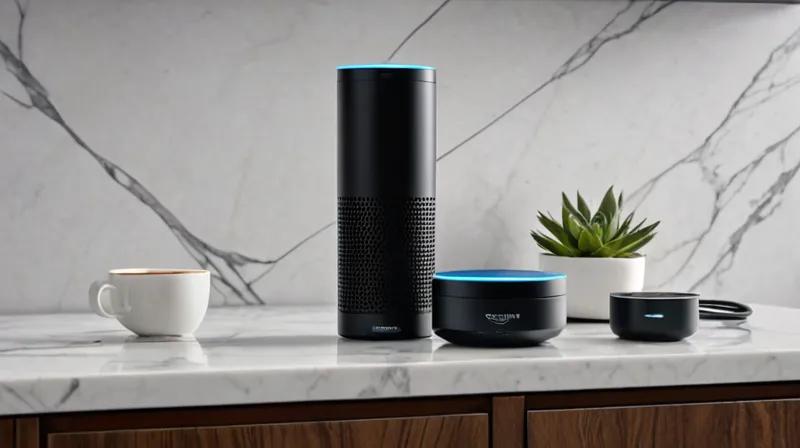
Amazon is enhancing its voice-activated shopping assistant with a new scam detection feature designed to protect customers from fraudulent communications. The company announced that Alexa for Shopping will now be able to verify whether suspicious emails, texts, and other messages actually originated from Amazon, helping users distinguish between legitimate retailer communications and potential scams.
How the Feature Works
The new functionality leverages Amazon's existing infrastructure to analyze incoming messages and cross-reference them against known patterns of authentic retailer communications. When a user asks Alexa to verify a message, the system will examine its content, sender information, and other relevant factors to determine if it's a genuine Amazon communication or a phishing attempt.
Implications for Consumer Safety
This development comes at a time when scam attempts targeting online shoppers are becoming increasingly sophisticated and prevalent. According to cybersecurity experts, the number of phishing attacks targeting e-commerce platforms has risen significantly in recent months, with many fraudsters using convincing email templates and messaging to trick consumers into revealing personal information or making unauthorized purchases.
The feature represents Amazon's continued effort to build trust and security into its ecosystem, particularly as more consumers rely on voice-activated shopping assistants for daily transactions. By providing real-time verification capabilities, Amazon aims to reduce consumer anxiety about message authenticity while potentially decreasing the success rate of fraudulent campaigns targeting its customer base.
Looking Forward
While the feature is currently limited to Amazon's own communications, industry analysts suggest this could be the first step toward broader scam detection capabilities across multiple retailers. As voice commerce continues to expand, the integration of security features directly into shopping assistants may become a standard expectation for consumers.
Amazon has not yet announced a specific timeline for when the feature will be available to all users, but the company has indicated that it will roll out the functionality gradually across its user base.