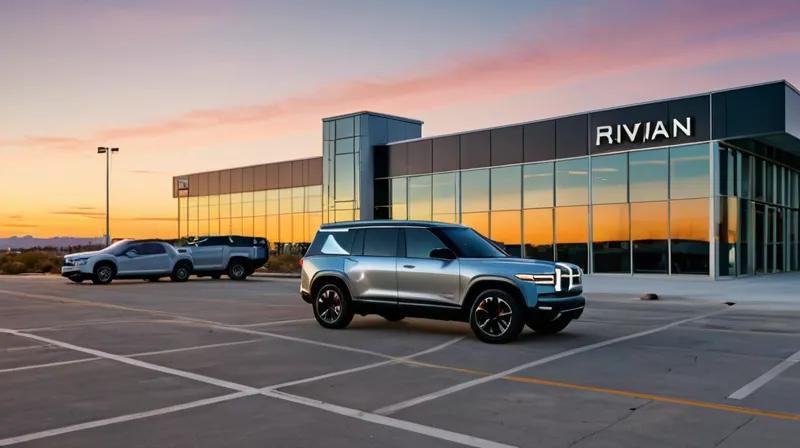
Rivian, the electric vehicle manufacturer known for its futuristic R1T truck and R1S SUV, is facing a class action lawsuit over claims that it made false promises about the autonomous driving capabilities of its first-generation vehicles. The lawsuit, filed in the US District Court for the Central District of California, alleges that the company misled consumers by representing that its vehicles would be capable of hands-free, eyes-off driving.
Allegations of Misleading Marketing
The complaint, which was filed on Wednesday, accuses Rivian of spending five years promoting features that its current vehicles cannot deliver. According to the lawsuit, the company’s marketing materials and public statements painted a picture of advanced self-driving technology that is not yet available in the R1T and R1S models. The suit argues that these representations were not only misleading but also violated consumer protection laws.
The legal action comes amid growing scrutiny of automakers’ claims about autonomous driving. As companies race to develop self-driving technology, many have faced criticism for overstating the capabilities of their current systems. Rivian’s case highlights the risks of overhyping technology before it is fully realized.
Industry-Wide Challenges
This lawsuit is part of a broader trend in the automotive industry, where manufacturers are under increasing pressure to be transparent about their self-driving tech. With the likes of Tesla, Waymo, and traditional automakers all vying for dominance in autonomous driving, the stakes are high. Companies must balance marketing excitement with legal responsibility, especially when consumer expectations are set too high.
Rivian’s legal battle underscores the importance of clear communication in the rapidly evolving autonomous vehicle landscape. As the company works to deliver on its promises, it will also need to navigate the complex legal and ethical terrain of what self-driving technology truly means for consumers.
Conclusion
If successful, the lawsuit could set a precedent for how automakers market autonomous driving features. For Rivian, the case represents a significant challenge to its reputation and future sales, as consumers increasingly demand honesty and clarity in the tech they purchase.