The 2026 FIFA World Cup, set to begin next week across 16 cities in the United States, Mexico, and Canada, is not only a celebration of global football but also a showcase of cutting-edge security technology. With 48 teams, 104 matches, and 39 days of action, this year's tournament is the largest in history. However, it's also the most technologically surveilled sporting event ever organized, featuring an array of high-tech security tools designed to protect fans, players, and infrastructure.
AI-Powered Surveillance and Robotics
Security forces are deploying thousands of AI-powered cameras throughout the venues, with facial recognition and behavior analysis capabilities to detect potential threats in real time. These systems are integrated with advanced analytics that can identify unusual crowd movements or suspicious activities, enhancing the ability of security personnel to respond quickly.
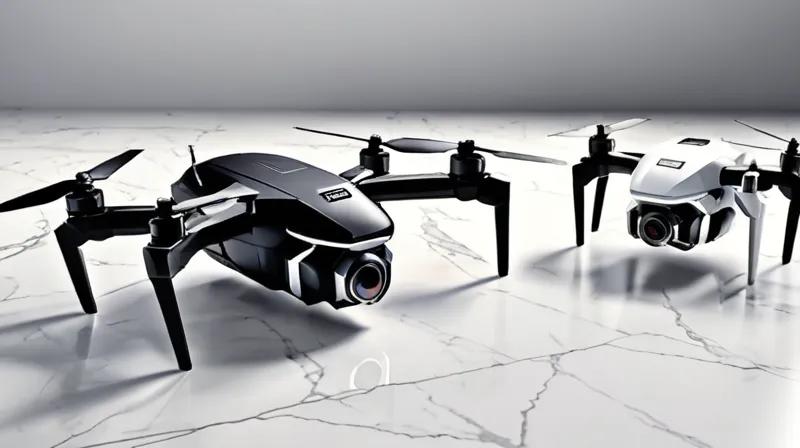
Robot dogs, equipped with sensors and cameras, are being used to patrol public areas and assist in crowd control. Meanwhile, net-shooting hunter drones are being deployed to monitor large outdoor spaces, offering a bird’s-eye view of events and the capability to intercept objects or individuals that pose risks. These drones are part of a broader strategy to ensure safety in the open-air stadiums and fan zones.
Challenges and Implications
While the use of such advanced technology is aimed at increasing security, it also raises important questions about privacy and data protection. Critics are concerned about the extent of surveillance and the potential for misuse of personal data collected through AI systems. The deployment of these tools also highlights the growing trend of integrating artificial intelligence and robotics into public safety operations, especially during large-scale events.
Organizers claim that the technology is not only effective but also necessary to manage the unprecedented scale of the World Cup. As the tournament unfolds, it will serve as a testbed for how AI and robotics can be used in large-scale public events, potentially setting a precedent for future international competitions.
Conclusion
The 2026 World Cup represents a significant milestone in the convergence of sports and technology, where the focus on security is as much about innovation as it is about protection. While the use of AI cameras, robot dogs, and drones enhances safety, it also prompts a broader discussion on the role of surveillance in public life. As the world watches the games, it’s clear that the future of large-scale event management is increasingly tied to the advancement of smart security systems.