Why Roku Streaming Devices Are Getting More Expensive: A Simple Explanation
Introduction
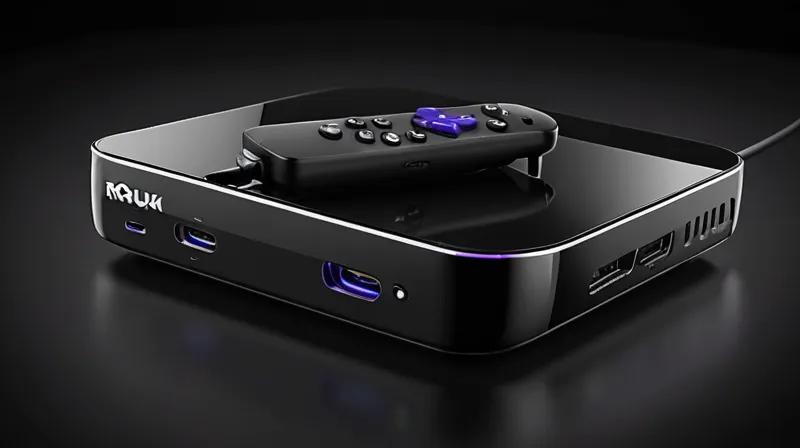
Imagine you're shopping for a new TV or a gaming console, and suddenly the price jumps by 50% or even more. That's exactly what's happening with Roku streaming devices — those little boxes that let you watch Netflix, Disney+, and other shows on your TV. Roku has raised prices across its entire lineup, with some devices going up by as much as 60%. But why? The answer lies in a global shortage of a tiny, crucial component called memory chips. This shortage is being driven by a new technology trend called artificial intelligence (AI), which is changing how we think about computing.
What Is Memory and Why Is It Important?
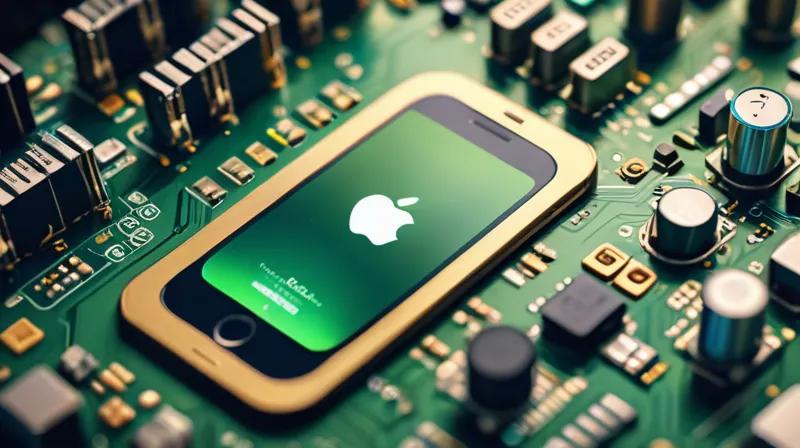
Think of memory in your computer or phone like a filing cabinet. It stores all your photos, music, apps, and data. For streaming devices like Roku, memory chips are like the brain's storage system — they hold the information needed to play videos smoothly, switch between apps, and remember what you watched last.
These memory chips are made from silicon — a material found in sand — and are incredibly small, often smaller than a grain of rice. They're used in almost everything we use today, from smartphones to cars to streaming boxes. When there's a shortage of these chips, it affects the price of all products that use them, including Roku devices.
How Does AI Drive the Memory Shortage?
Artificial intelligence (AI) is a type of technology that helps computers think and learn, like how a smart assistant can answer questions or recognize your voice. AI systems are very powerful — but they also need a lot of memory to work properly. Think of it like a student trying to learn a new subject. The more information they have to process, the more memory they need.
Companies building AI data centers (huge computer farms that power AI systems) are buying millions of memory chips to train AI models. This sudden surge in demand has made it hard for other companies, like Roku, to buy the memory they need to make their devices. It's like if everyone suddenly wanted to buy the same type of toy, and the toy store ran out — the price would go up for everyone.
Why Does This Matter for You?
If you're a Roku user, this price increase means you'll pay more for your streaming device. But this shortage is also a reminder of how interconnected our world is. When one technology sector — like AI — needs more resources, it affects everyday products like your streaming box or even your smartphone.
It also shows how quickly technology changes. What started as a problem for data centers is now impacting the cost of products you use every day. This shortage is temporary, but it highlights how important it is to understand how tech works — so you know why prices change and how global trends affect your daily life.
Key Takeaways
- Roku raised prices on its streaming devices because memory chips are in short supply.
- Memory chips are tiny components that store data, just like a filing cabinet for your digital life.
- AI data centers are using a lot of memory chips, which has made it harder and more expensive for other companies to get them.
- This shortage is a reminder of how technology is connected — one change in one area can affect many others.
- Even though the shortage is temporary, it shows how global tech trends impact everyday products.
This is a simple example of how the world of technology is constantly changing, and how even small parts like memory chips can have a big impact on what we buy and how much we pay.