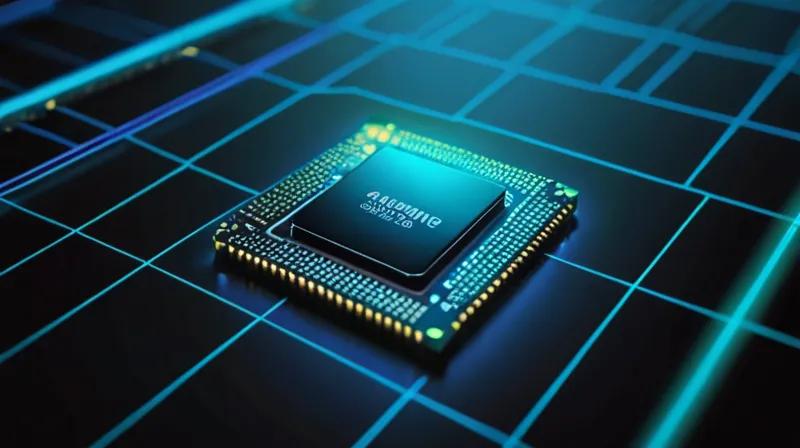
Samsung Electronics and Broadcom have inked a landmark $200 billion semiconductor agreement that spans memory chips, foundry manufacturing, and advanced packaging technologies for artificial intelligence applications. The deal, announced at an AI summit in San Francisco, is set to last through 2030 and underscores the growing strategic importance of semiconductor supply chains in the AI era.
Comprehensive Deal for AI Chip Development
The memorandum of understanding (MoU) outlines a broad collaboration between the two tech giants, with Samsung providing key components such as memory chips and foundry services, while Broadcom contributes its expertise in advanced packaging and AI chip design. This partnership is particularly significant as the demand for high-performance semiconductors continues to surge, driven by AI development and deployment across industries.
Strategic Implications for the Semiconductor Industry
With the global AI chip market projected to expand rapidly, this collaboration positions both companies at the forefront of the next wave of semiconductor innovation. The agreement not only strengthens Samsung's role as a leading chipmaker but also bolsters Broadcom's ability to deliver cutting-edge AI solutions. Analysts suggest that such large-scale partnerships are becoming essential for companies to maintain competitiveness in a highly fragmented and technology-intensive landscape.
Looking Ahead
The deal signals a shift toward more integrated and long-term supply chain strategies, particularly in the face of global chip shortages and geopolitical tensions. As AI systems become more complex, the need for seamless collaboration between memory, packaging, and manufacturing experts is paramount. This $200 billion agreement is not just a business deal, but a strategic move to secure the future of AI innovation.