What is a brain-computer interface (BCI)?
A brain-computer interface, or BCI for short, is like a bridge between your brain and a computer. Imagine if you could control a computer, a robot, or even a wheelchair just by thinking about it. That's what BCIs aim to do. These devices can read the electrical signals your brain sends out when you think or move, and then translate those signals into actions that a computer can understand.
What is it?
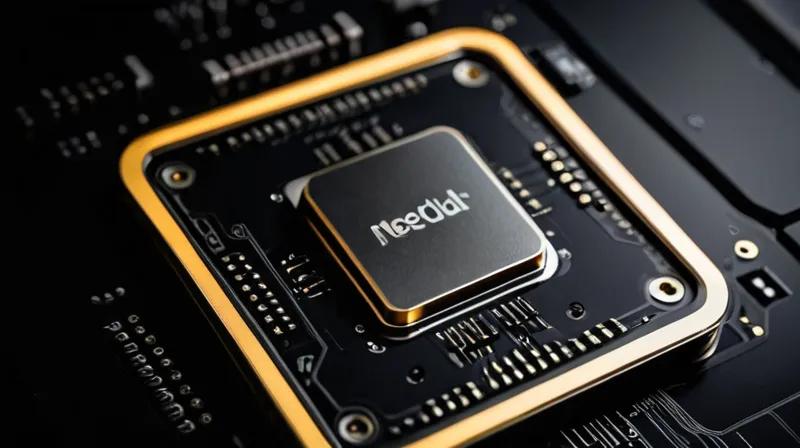
Science Corp, a new company founded by Max Hodak (who previously worked at Neuralink), is developing a special type of BCI. Instead of using traditional metal electrodes, they're using a biohybrid sensor. Think of it like a tiny, pea-sized device that can be placed directly on the surface of your brain. This sensor has 520 tiny contacts that can detect the brain's electrical activity.
Unlike regular electrodes, which are made of metal and can sometimes cause problems like inflammation or damage to brain tissue, this new sensor is designed to be more compatible with the body. It's a bit like using a soft, flexible sticker instead of a hard, rigid metal probe.
How does it work?
When a person thinks about moving their hand, for example, their brain sends out electrical signals. These signals travel through nerve cells and create a pattern that scientists can detect. The brain sensor acts like a super-sensitive listener, picking up these patterns.
Here's how it works in simple steps:
- The sensor is placed on the surface of the brain during a routine brain surgery.
- It detects the electrical signals from the brain.
- These signals are sent to a computer.
- The computer interprets the signals and turns them into actions, like moving a cursor on a screen or controlling a robotic arm.
It's kind of like a translator that helps the brain communicate with a computer. The brain doesn't actually change, but the computer learns to understand the brain's language.
Why does it matter?
This technology could be life-changing for people with paralysis or other movement disorders. Imagine someone who can no longer move their arms or legs being able to control a computer or a robotic limb just by thinking about it. It could restore independence and improve quality of life.
Science Corp's approach is interesting because it's trying to make the sensor more compatible with the human body. Traditional electrodes can sometimes cause problems like swelling or immune reactions. By using a biohybrid sensor, the company hopes to avoid these issues and make the technology safer and more long-lasting.
This could be a big step forward in helping people with severe disabilities. It's not just about science fiction — it's about real, practical solutions that could help people live better lives.
Key takeaways
- A brain-computer interface (BCI) helps the brain communicate with a computer.
- Science Corp is developing a new kind of BCI that uses a soft, biohybrid sensor instead of traditional metal electrodes.
- This new sensor could be safer and more effective for people with paralysis or movement disorders.
- Human trials could start as early as 2027.
- The technology is still developing, but it has the potential to greatly improve lives.