Sophia Space, a startup developing revolutionary space computing technology, has secured $10 million in seed funding to advance its innovative modular computer architecture. The company's vision centers on creating data centers that operate directly in space, utilizing specialized computer tiles designed for the unique challenges of orbital environments.
Modular Design for Orbital Computing
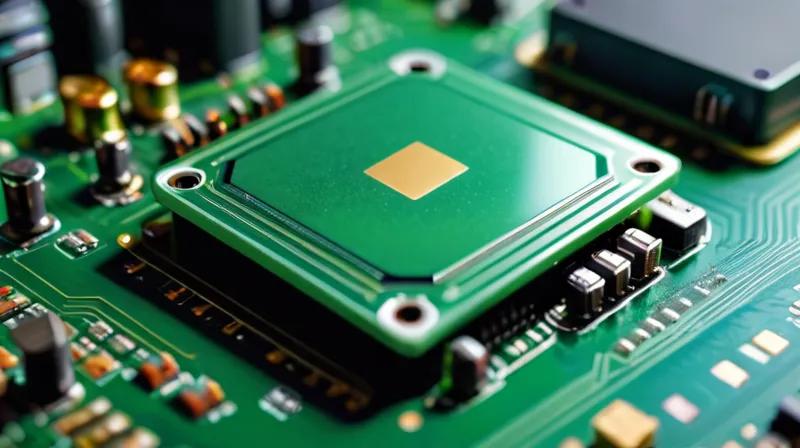
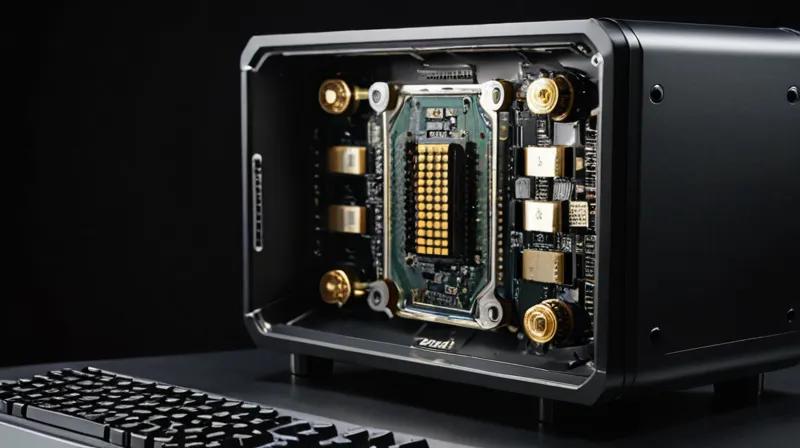
The startup's approach differs significantly from traditional space computing systems. Rather than relying on single, monolithic computers, Sophia Space's system employs modular tiles that can be configured and reconfigured based on mission requirements. Each tile is engineered to withstand the harsh conditions of space while delivering high-performance computing capabilities.
This modular architecture offers several advantages over conventional approaches. The system's scalability allows for easy expansion or contraction of computing power, while the distributed nature of the tiles reduces single points of failure. Additionally, the tiles can be designed with specific radiation-hardened components, essential for long-term space operations.
Market Opportunity and Technical Challenges
The funding will primarily support the company's efforts to demonstrate the viability of its space-based computing concept. With the growing demand for satellite constellations and space-based services, there's increasing pressure for more robust and efficient computing capabilities in orbit. However, developing reliable space computers presents significant technical hurdles, including radiation resistance, thermal management, and power efficiency.
Industry experts see this as a potential game-changer for space computing, particularly as commercial space ventures expand. The ability to process data locally in space rather than relying on ground-based systems could dramatically reduce latency and improve mission success rates for satellite operations, deep space exploration, and Earth observation systems.
Future Prospects
Sophia Space's technology could fundamentally alter how we approach computing in space, potentially enabling more sophisticated satellite operations and supporting the growing infrastructure needed for space-based internet and communication networks. As the company moves toward its demonstration phase, the success of its modular approach could set new standards for future space computing systems.