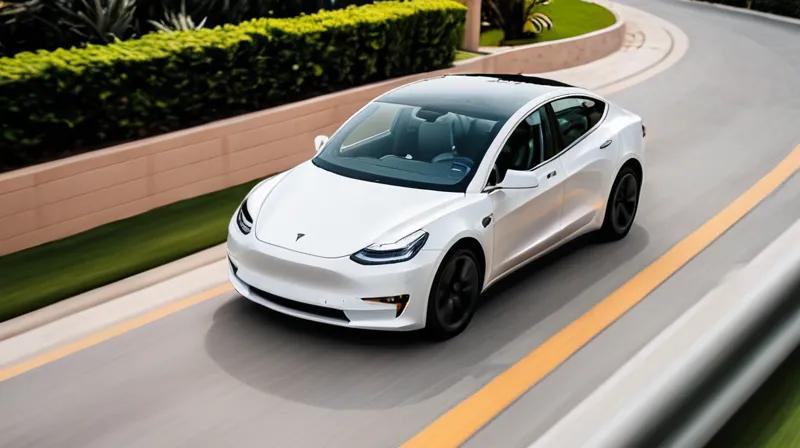
Tesla has taken another significant step toward autonomous mobility by launching its Robotaxi service in Miami, marking its fifth U.S. city to adopt the technology. Notably, this deployment comes without a safety driver or human monitor, signaling a major shift in the company’s approach to autonomous vehicle testing and commercialization.
Expanding Autonomy in West Miami
The rollout occurred in a designated area of West Miami, as revealed through a map shared by Tesla on X. This region, while not the bustling downtown core, offers a controlled environment for testing and refining the Robotaxi’s capabilities. Tesla’s decision to operate without a safety driver underscores its confidence in the technology, although it raises questions about regulatory readiness and public acceptance.
Implications for the Future of Ride-Hailing
The move aligns with Tesla’s broader strategy to integrate self-driving technology into its product lineup. CEO Elon Musk has long envisioned a future where Tesla vehicles operate as part of a shared autonomous fleet, reducing the need for individual car ownership. However, this latest development also highlights the challenges in scaling autonomous services, including legal frameworks, infrastructure readiness, and consumer trust. While other companies like Waymo and Cruise have been operating driverless taxis with safety drivers in select cities, Tesla’s approach may set a new precedent for how autonomous mobility is deployed in the U.S.
Looking Ahead
As Tesla continues to expand its Robotaxi service, the company will need to balance innovation with safety. The Miami launch is a critical test case, and its outcomes could influence how regulators and the public perceive autonomous vehicles. With the potential to revolutionize urban transportation, Tesla’s next steps will be closely watched by industry experts and policymakers alike.