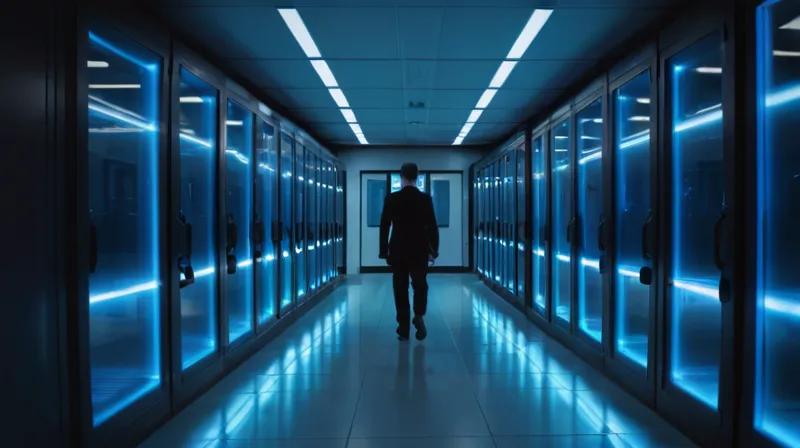
In an era where artificial intelligence dominates the cybersecurity landscape, a sobering reality is emerging: the most significant threats often originate from within an organization. While external hackers remain a concern, recent analysis reveals that AI-powered risks stemming from insider threats pose a more substantial danger to enterprise security.
Why Internal AI Threats Are More Dangerous
Unlike traditional cyberattacks that rely on exploiting system vulnerabilities, AI-powered insider threats leverage an organization's own data, access privileges, and trusted relationships. Insiders with malicious intent can now use AI tools to automate data exfiltration, craft sophisticated phishing campaigns, or manipulate security systems, making detection significantly more challenging.
According to cybersecurity experts, AI enables insiders to bypass traditional security measures by analyzing network patterns, understanding security protocols, and creating convincing fake identities or content. This capability transforms routine insider threats into sophisticated, potentially devastating attacks that can compromise entire networks.
Strategic Defense Recommendations
Security leaders are now implementing 12 key strategies to combat these internal AI threats:
- Deploy AI-powered monitoring systems that detect anomalous behavior patterns
- Implement zero-trust architecture principles across all network access points
- Establish comprehensive user behavior analytics to identify potential threats
- Regularly audit AI tool usage and access permissions
- Create specialized insider threat response teams
- Develop AI-specific training programs for all employees
- Utilize automated data loss prevention tools
- Enforce strict data classification and access control policies
- Conduct regular security awareness campaigns focused on AI risks
- Implement multi-factor authentication for all AI-related systems
- Establish clear incident response protocols for AI-powered insider threats
- Regularly test and update security measures against evolving AI capabilities
Conclusion
As AI becomes increasingly integrated into organizational operations, the cybersecurity landscape must evolve to address these new internal risks. Organizations that proactively implement these defensive strategies will be better positioned to protect their digital assets from the sophisticated threats that arise from within.