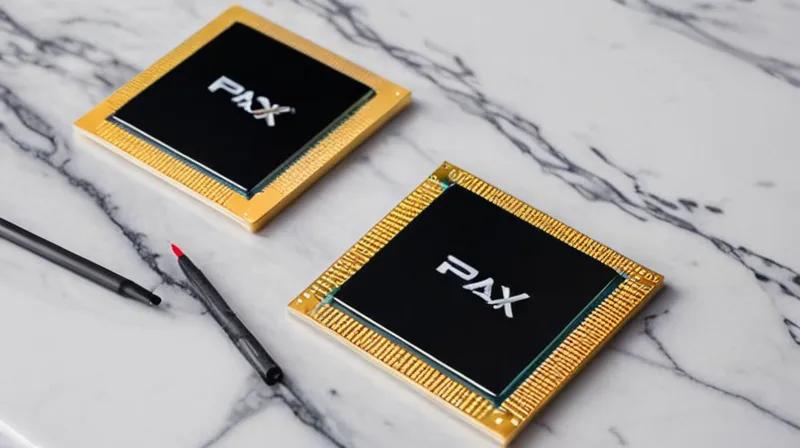
The European Union has officially agreed to join Pax Silica, a US-led initiative aimed at securing AI chip supply chains and implementing export controls on China. This move marks a significant shift in Brussels’ approach to technology sovereignty, as it aligns with Washington’s strategy against Chinese tech ambitions, despite previous EU efforts to maintain a more independent stance.
Strategic Realignment
The timing of the EU’s decision is particularly notable, coming just weeks after the bloc unveiled its own tech-sovereignty agenda. That plan emphasized building independent capabilities and reducing reliance on external actors, especially in critical sectors like semiconductors. However, the growing geopolitical tensions around AI chip development have forced a reconsideration of that approach.
France, which had previously criticized the initiative as a form of “colonization” by the US, is now on board. This change in tone underscores the EU’s pragmatic response to global supply chain vulnerabilities, particularly in the face of China’s rapid advancements in AI and semiconductor technologies.
Implications for Global Tech Governance
Pax Silica, which includes the US, Japan, and Australia, aims to coordinate policies and strengthen export controls to prevent China from accessing critical technologies. By joining, the EU is not only reinforcing its alignment with Western allies but also signaling a broader realignment in global tech governance. The bloc’s participation could influence how international regulations are shaped in the coming years, especially in areas like AI development and cybersecurity.
This development also highlights the increasing importance of semiconductor supply chains in national security strategies. As AI becomes more embedded in military and civilian infrastructure, securing these vital components has become a top priority for governments worldwide.
Conclusion
The EU’s decision to join Pax Silica reflects a complex interplay between geopolitical strategy, economic interests, and the urgent need for tech resilience. While it may appear to contradict earlier calls for independence, the move underscores the bloc’s evolving understanding of how to safeguard its digital future in an increasingly contested global landscape.