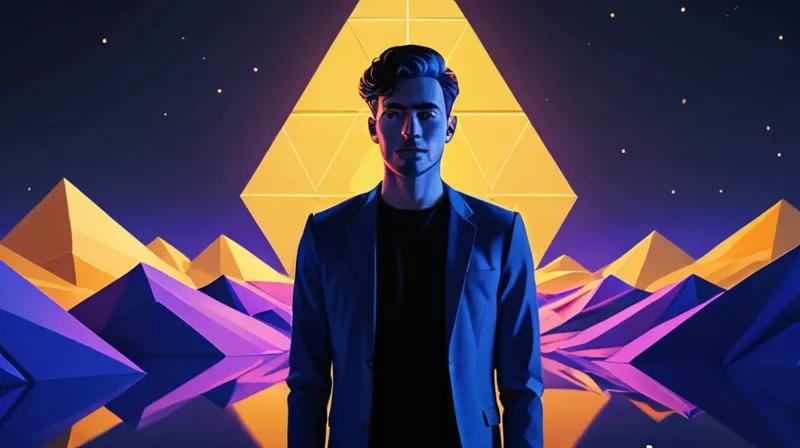
In a striking intersection of AI technology and celebrity culture, a recent viral red carpet moment has brought attention to a new phenomenon: AI-generated influencers who are captivating audiences with their photorealistic appearances and curated personas. The trend, which has gained significant traction on social media platforms, features AI-generated faces that are indistinguishable from real humans, creating what some are calling 'AI gay thirst traps'—a term that captures both the visual appeal and the intense online following these digital personas have garnered.
The Rise of Digital Influencers
The emergence of these AI-generated personalities represents a significant shift in how digital content is created and consumed. These virtual influencers, often created using advanced deepfake technology and AI algorithms, are designed to be visually appealing and engaging, with carefully crafted social media profiles that attract millions of followers. The phenomenon has particularly resonated with younger demographics who are increasingly comfortable with digital avatars and virtual identities.
Behind the Scenes of AI Creation
Creating these photorealistic AI influencers requires sophisticated technology, including machine learning models trained on vast datasets of human faces and behaviors. The process involves not just generating realistic images but also developing believable personas, voices, and social media interactions. Companies and creators are investing heavily in this space, recognizing the potential for monetization through brand partnerships, sponsored content, and digital merchandise. The viral nature of these influencers demonstrates the power of visual appeal and the growing acceptance of AI-generated content in mainstream culture.
Implications and Future Outlook
As this trend continues to evolve, it raises important questions about authenticity, digital identity, and the future of influencer marketing. The success of AI-generated personalities suggests that audiences are increasingly drawn to idealized, curated content regardless of its origin. This development marks a pivotal moment in the convergence of artificial intelligence, social media, and consumer culture, potentially reshaping how we interact with digital content and virtual personas in the years to come.