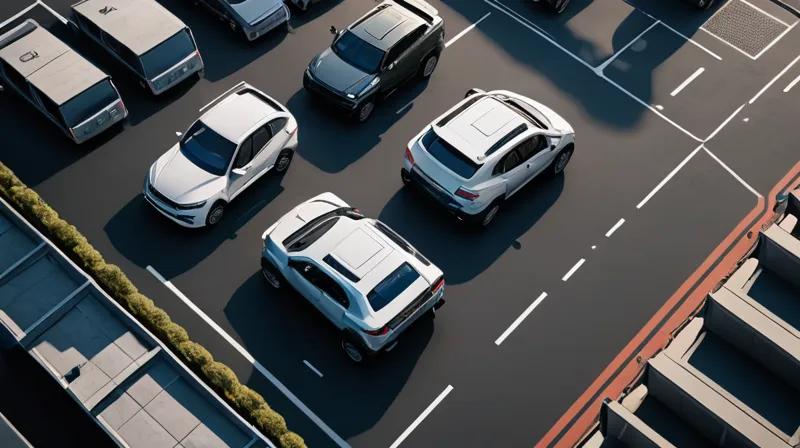
In a surprising development that underscores the complex interdependencies of the global tech supply chain, a Chinese lidar manufacturer designated as a military company by the U.S. Pentagon is quietly supplying sensors for American autonomous vehicles. Hesai, a Shanghai-based firm, is a key supplier of lidar sensors used in self-driving cars, trucks, and even an airport shuttle system, despite its inclusion on the U.S. Department of Defense's blacklist of Chinese military companies.
Blacklisted, But Still in Demand
According to CNBC, Hesai is listed on the U.S. government’s Entity List, which restricts exports to companies deemed to pose a risk to national security. However, the company's lidar systems are being integrated into autonomous vehicle projects across the United States, including those operated by major tech firms and startups. Nvidia, a leading name in AI and autonomous driving technology, has partnered with Hesai, further cementing its role in the U.S. self-driving vehicle ecosystem.
Implications for U.S.-China Tech Relations
This situation highlights the tension between U.S. national security concerns and the practical needs of the tech industry. While the U.S. government seeks to limit the influence of companies tied to the Chinese military, the global nature of technology development means that firms like Hesai remain integral to the U.S. autonomous vehicle landscape. The reliance on such suppliers raises questions about the long-term viability of U.S. self-driving vehicle projects and the broader implications of geopolitical tensions on global tech markets.
Conclusion
As the autonomous vehicle industry continues to evolve, the reliance on companies like Hesai, despite their blacklisted status, shows how deeply intertwined global supply chains have become. The situation also reflects the ongoing challenges in balancing national security with technological progress, especially in a field where innovation often depends on international collaboration.