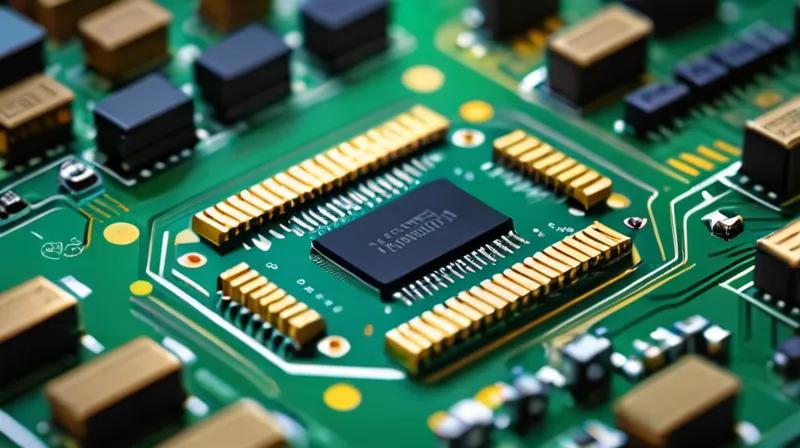
In a bold move that could reshape the AI hardware landscape, South Korean chip startup Xcena has secured $135 million in funding, betting that the industry's biggest bottleneck isn't compute power but memory capacity and efficiency.
Reimagining AI Hardware
Xcena's investment round, led by prominent venture capital firms, signals growing recognition that traditional approaches to AI chip design may be missing a crucial element. While most AI hardware development has focused on increasing computational throughput, Xcena is targeting the memory wall – the gap between processor speed and memory access speed that severely limits performance in AI workloads.
Memory as the New Frontier
The startup's approach centers on developing specialized memory architectures that can handle the massive data movements required by modern AI models. As AI systems grow more complex, the ratio of memory operations to compute operations has increased dramatically, making memory efficiency critical for performance gains. "We're not just building faster chips – we're building smarter memory systems," said Xcena's CEO during the funding announcement.
- Traditional AI chips struggle with memory bandwidth limitations
- Xcena's approach focuses on integrated memory and compute units
- Industry analysts see potential for significant performance improvements
Market Implications
This investment comes at a pivotal moment as AI adoption accelerates across industries. Major tech companies are already grappling with memory constraints in their AI deployments, particularly in large language models and computer vision applications. Xcena's strategy could position it at the forefront of a new wave of AI hardware innovation, potentially disrupting established chipmakers who have focused primarily on compute improvements.
The company plans to use the funding to accelerate development of its next-generation memory-centric AI chips, with commercial deployments expected within the next 18 months.