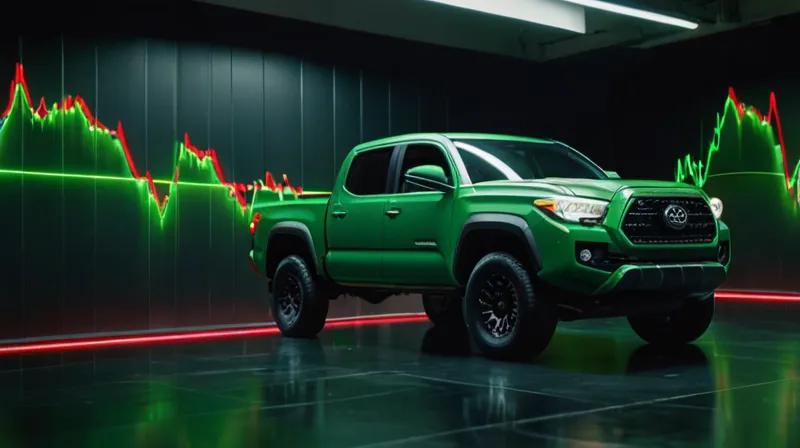
Toyota is shifting part of its Tacoma pickup production from Mexico to Texas, as the automaker invests $3.6 billion to expand its San Antonio plant. The move, announced Monday, includes the addition of a second assembly line, according to CNBC. The decision marks a significant step in Toyota’s strategy to bring manufacturing closer to U.S. markets, aligning with broader trends of reshoring production amid evolving trade dynamics.
Trump Claims Credit for the Shift
President Donald Trump quickly seized on the announcement, touting it as validation of his trade policies. “That’s what tariffs do, properly used,” he said, referencing his administration’s approach to trade, particularly the U.S.-Mexico-Canada Agreement (USMCA). The tariffs, which were implemented as part of the renegotiated trade deal, were designed to incentivize manufacturing within North America. Toyota’s move is being viewed as a direct response to these trade incentives, though analysts note that cost considerations and supply chain resilience also played a role.
Implications for the Auto Industry
The Tacoma plant expansion underscores the growing trend of automakers reevaluating their production strategies in light of global supply chain disruptions and shifting trade policies. While the U.S. government has been promoting domestic manufacturing, companies like Toyota must balance political incentives with economic realities. The investment in San Antonio not only supports local jobs but also strengthens Toyota’s presence in the U.S. market. Industry experts suggest that such moves could influence other automakers to reconsider their manufacturing footprints, especially as trade tensions continue to evolve.
This strategic shift by Toyota reflects a broader realignment in global automotive manufacturing, where trade policy and geopolitical considerations increasingly shape corporate decisions.