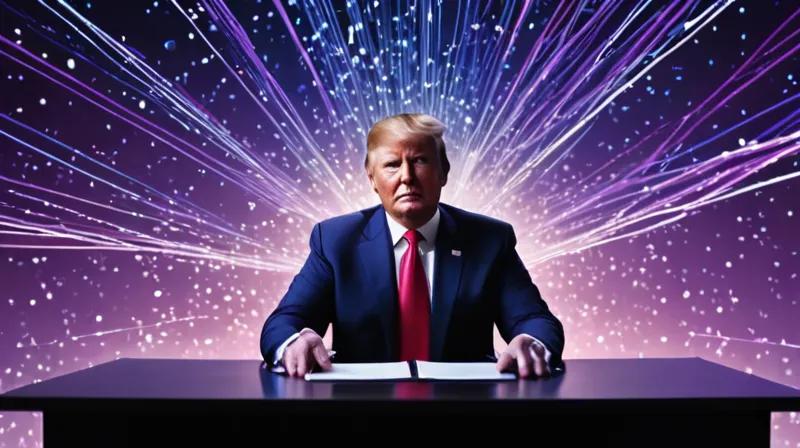
President Donald Trump has signed a revised executive order on artificial intelligence oversight, marking a significant shift from the initial proposal that faced widespread industry criticism. The new order, which replaces the more stringent version released earlier this year, adopts a lighter regulatory approach that relies primarily on voluntary government reviews before advanced AI models are released to the public.
Industry Pushback Shapes Policy
The original executive order had sparked intense backlash from tech companies, AI researchers, and industry groups who argued that mandatory government reviews would stifle innovation and create unnecessary bureaucratic delays. Companies like Microsoft, Google, and OpenAI had expressed concerns that such regulations could hamper the development of cutting-edge AI technologies and potentially push American firms to compete with less regulated international counterparts.
According to sources familiar with the negotiations, the revised order reflects a compromise that addresses industry concerns while still maintaining some level of government oversight. The new framework requires voluntary prerelease reviews by federal agencies for AI systems that are deemed 'advanced' or 'high-risk,' but does not mandate these reviews or impose penalties for non-compliance.
Implications for AI Development
Analysts suggest that this shift toward voluntary compliance may provide a more balanced approach to AI governance, allowing companies to maintain flexibility in their development processes while still adhering to basic safety standards. However, some experts remain skeptical about the effectiveness of voluntary measures, particularly in ensuring that all AI developers meet minimum safety requirements.
The executive order also establishes a new AI Safety Institute within the Department of Commerce, tasked with coordinating voluntary industry standards and promoting best practices in AI development. This institute is expected to play a crucial role in shaping the future of AI governance in the United States.
As AI continues to evolve rapidly, the balance between innovation and regulation remains a critical challenge for policymakers. This revised order may serve as a model for how government can work with industry to foster responsible AI development without stifling technological progress.