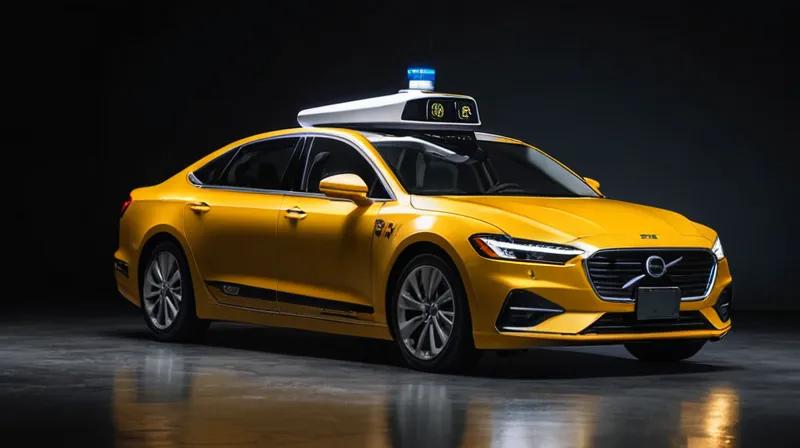
Uber is making a strategic move into the autonomous vehicle market with a new partnership aimed at expanding its robotaxi service to Houston. The ride-hailing giant announced on June 17 that it plans to launch a premium driverless service in the city by mid-2027. This initiative marks the second U.S. market for the company’s collaboration with electric vehicle manufacturer Lucid and self-driving technology startup Nuro.
Partnership Details and Market Strategy
The alliance between Uber, Lucid, and Nuro represents a significant step in the evolution of autonomous transportation. While Lucid contributes its electric vehicle technology and Nuro provides its advanced autonomous driving systems, Uber brings its extensive experience in ride-hailing operations and customer service. The Houston launch is seen as a crucial testbed for the technology, especially as Uber seeks to reposition itself in the competitive autonomous vehicle landscape.
Competition with Waymo and Future Implications
This move comes as Uber continues its efforts to challenge established players like Waymo, which has already launched its autonomous taxi service in Phoenix. Houston’s selection highlights Uber’s intent to expand beyond its current limited service areas and establish a more robust presence in major U.S. cities. The premium nature of the service suggests that Uber is targeting affluent customers willing to pay a premium for cutting-edge technology and convenience.
The timing of the Houston launch also underscores the growing momentum in the autonomous vehicle industry. With increasing regulatory support and advancements in AI and sensor technology, companies like Uber are betting big on the future of self-driving cars. This expansion could be a pivotal moment in Uber’s journey toward becoming a leader in autonomous mobility, potentially reshaping urban transportation in the process.