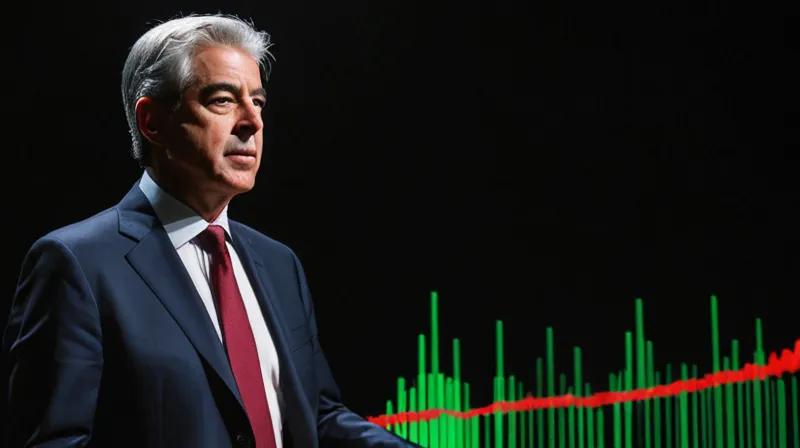
Vincent Bolloré, the French billionaire and CEO of the Bolloré Group, has officially rejected Bill Ackman’s $64 billion offer to acquire Universal Music Group, effectively ending one of the most ambitious take-private attempts in the history of the music industry. The move marks a significant moment for both companies and the broader entertainment sector, as it signals a strong stance against a high-profile leveraged buyout proposal.
Rejection Ends Pershing Square’s Campaign
The offer from Pershing Square, led by renowned activist investor Bill Ackman, had been met with considerable attention and speculation since it was first announced in early May. Ackman’s firm had proposed a cash-and-debt deal valued at $64 billion, which would have taken Universal Music private and potentially allowed for a restructuring of the company's operations. However, Bolloré’s rejection underscores the confidence he has in Universal Music’s current trajectory and his opposition to the aggressive financial strategy.
Industry Implications
The music industry has seen a wave of consolidation in recent years, with major labels and entertainment giants increasingly merging to maintain competitiveness in a rapidly evolving digital landscape. Universal Music Group, which owns a vast catalog of music and artists, has been a prime target for such maneuvers. However, Bolloré’s decision to keep the company public and under his control may be seen as a strategic move to preserve its independence and long-term value. Analysts suggest that the rejection could also reflect concerns about the risks associated with a leveraged buyout, particularly in a sector that is undergoing significant transformation due to streaming and changing consumer habits.
What Comes Next?
While the immediate bid has been rejected, the broader implications for Universal Music and its stakeholders remain to be seen. Bolloré’s firm, Bolloré Group, has a history of strategic investments and takeovers, but its approach to Universal Music appears to prioritize stability and control over aggressive growth tactics. The company’s future may now hinge on its ability to navigate the shifting dynamics of the music industry, including increasing competition from streaming platforms and evolving artist royalty models.
This episode highlights the ongoing tension between activist investors seeking short-term gains and long-term strategic visionaries aiming to preserve corporate integrity and value. As Universal Music continues to operate under Bolloré’s leadership, industry watchers will be closely monitoring how the company adapts to global market pressures and technological disruption.